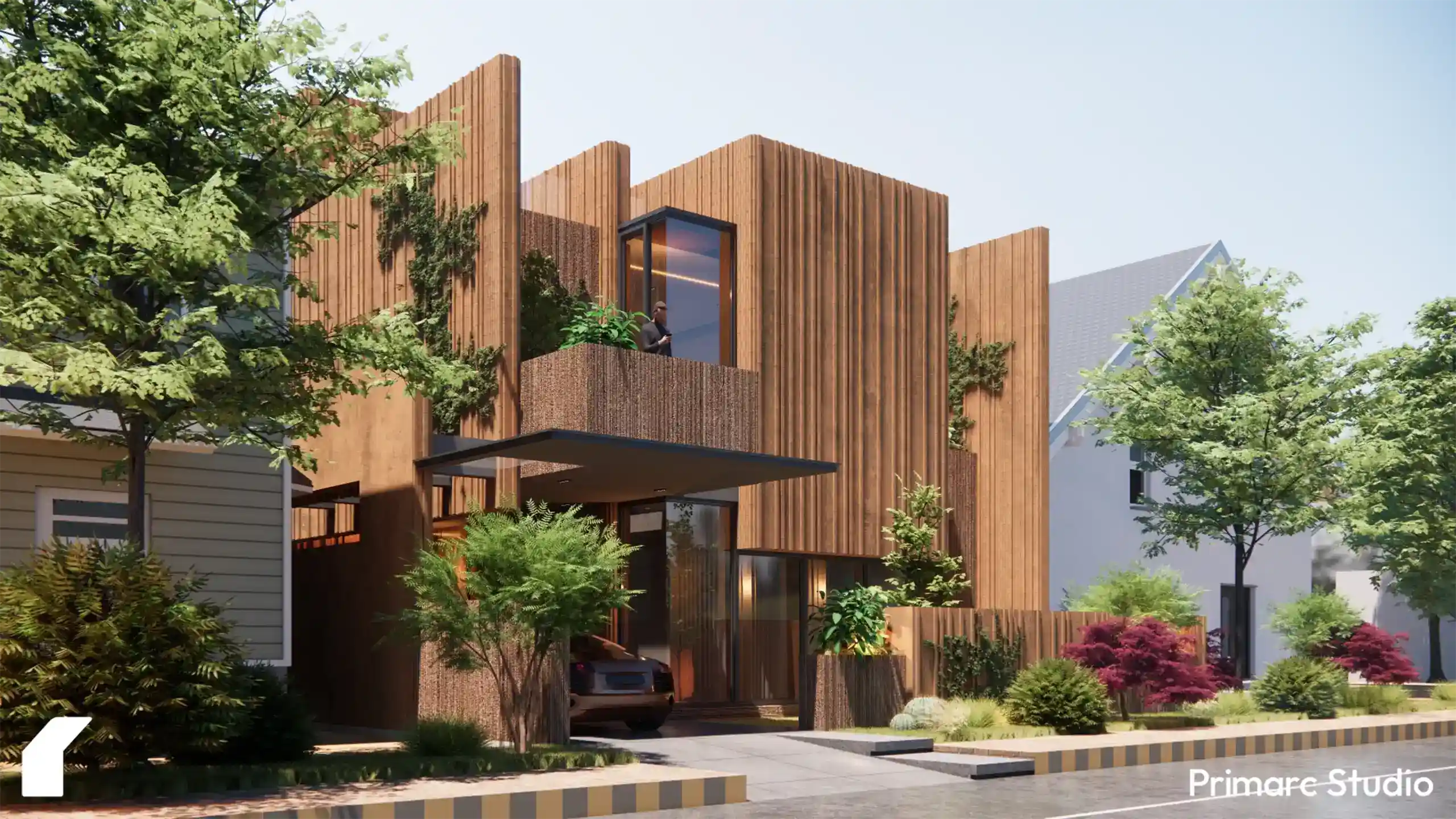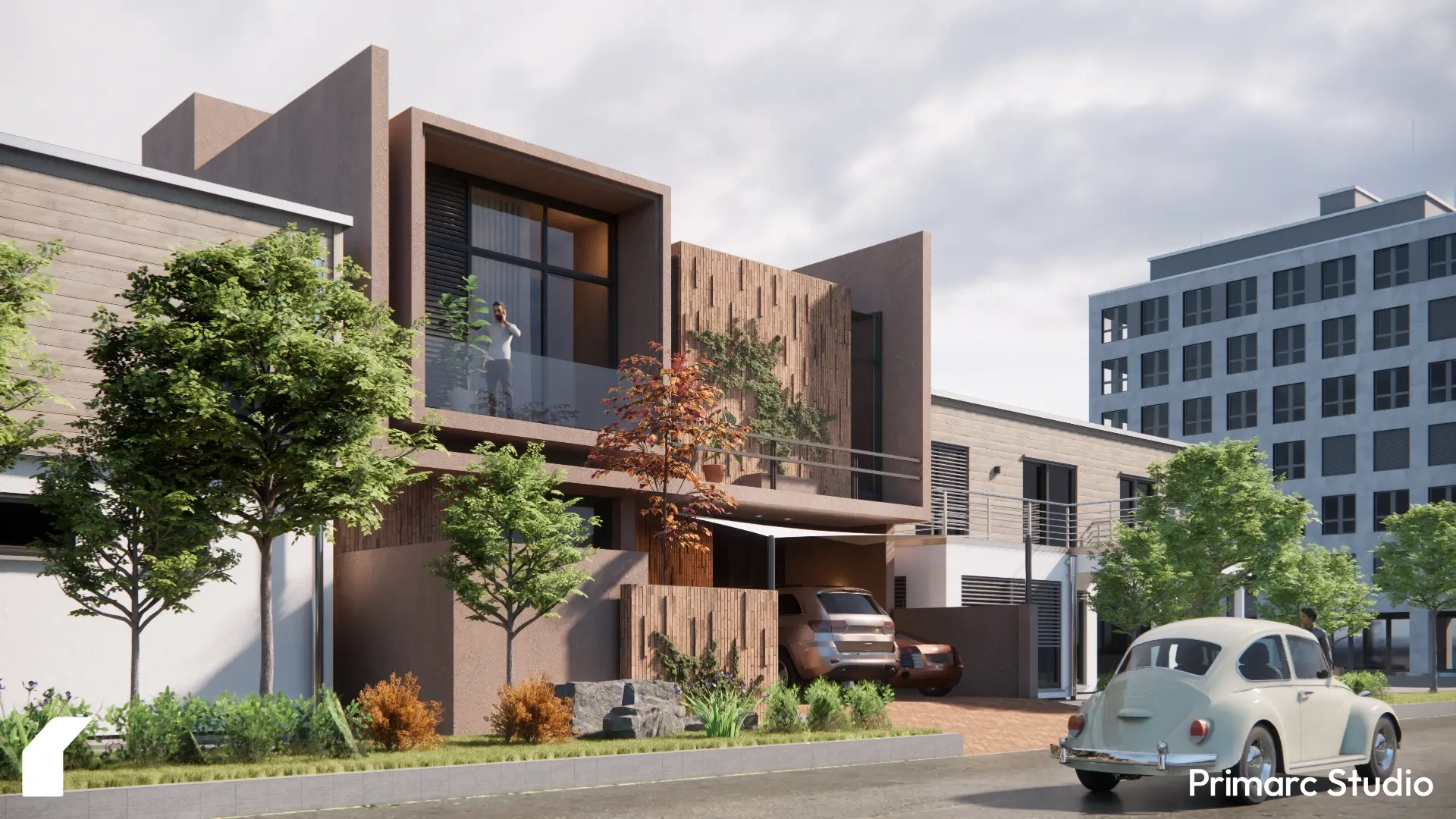
Building a house in Islamabad has become a significant financial challenge in 2026. Even the very first step finding a plot within established societies has become incredibly difficult. With demand soaring and prices in areas like Gulberg Greens, DHA, and Bahria Town reaching record highs, simply securing a piece of land is now a major hurdle for most families.
Once that hurdle is cleared, homeowners face the mounting pressure of a rising construction cost per sq ft in Islamabad. It is no longer just about buying the plot; it is about how much of that plot you can actually afford to build on without compromising your life savings. However, a common misconception is that a “budget” house must look cheap or use inferior materials. In reality, cost-effective house design in Islamabad is about strategy, not sacrifice. It is the art of making high-value decisions during the drawing stage so that you don’t face “hidden costs” during the grey structure or finishing stages.
Whether you are looking for a compact 5 Marla unit or a spacious 10 marla house design, the goal remains the same: maximizing every square inch of your investment. This guide breaks down how smart architecture and local insight can help you navigate the 2026 construction landscape, ensuring your home is both modern and financially sustainable.
Why “10 Marla” is the Sweet Spot for Islamabad Families
In the Islamabad real estate market, the 10 marla house design is often considered the “Goldilocks” size it’s just right. While a 5 Marla house can feel cramped for growing families and a 1 Kanal mansion often comes with astronomical maintenance and construction costs, the 10 Marla plot (typically 35×70) offers a perfect balance of luxury and affordability.

With a covered area usually ranging between 2,700 and 3,200 square feet, a modern 10 marla house provides enough room for 4 to 5 bedrooms, a proper drawing-dining area, and even a small green space or courtyard. The challenge in 2026 is that many traditional designs waste up to 15% of this space on dark corridors or oversized foyers that add nothing to your quality of life but significantly increase your grey structure costs.
By focusing on an “open-flow” layout, we can eliminate unnecessary walls and passages. This not only makes the house feel larger and more ventilated but also reduces the amount of brickwork, plaster, and paint required instantly making the design more cost-effective. Understanding the math behind the bricks is essential for any cost-conscious homeowner. In 2026, the construction cost per sq ft in Islamabad is heavily influenced by global fuel prices and local supply chain shifts. For a standard 10 marla house design with a covered area of approximately 3,300 sq. ft., the budget can vary significantly based on the “category” of finishing you choose.
Below is a realistic breakdown of what you can expect in the current Islamabad market:
2026 Average Construction Rates (Per Sq. Ft.)
Key Material Prices in 2026
To stay within a cost-effective house design, you must keep a close eye on these “Big Four” materials. Prices in Islamabad markets (like I-11 or Golra) currently fluctuate within these ranges:
Bricks (A+ Quality): Rs. 24 – 26 per brick.
Cement: Rs. 1,350 – 1,450 per bag.
Steel (Grade 60): Rs. 275,000 – 310,000 per ton.
Labor Rates: Rs. 450 – 750 per sq. ft. (for grey structure labor only).
The “Hidden” Savings in Grey Structure
Many people try to save money by buying cheaper finishes (tiles and taps), but the real how to save money on grey structure secret lies in the foundation and structural grid. By using a standard 12-foot or 14-foot span for your rooms, you reduce the amount of expensive structural steel and concrete needed for the “Lanter” (slab). Professional supervision ensures that material wastage—which can often account for 5–10% of your total budget—is kept to an absolute minimum.
5 Strategic Design Solutions to Lower Costs
At Primarc Studio, we believe that a cost-effective house isn’t built by using cheaper materials, but by using smarter design. Here are five professional strategies we use to ensure your 10 marla house design remains feasible for decades without overstretching your budget.

1. Vertical Wall Alignment & Structural Grids
One of the most effective ways to reduce construction costs is to ensure “structural continuity.” By aligning the walls of the first floor directly over the ground floor walls, the load travels straight down to the foundation. This simple design discipline minimizes the need for heavy, expensive transfer beams and extra columns. When combined with a standard structural grid, you reduce both material waste and labor time.
2. The Hidden Value of a Structural Engineer
Homeowners often overlook the importance of a professional structural engineer, viewing it as an extra fee. In reality, an experienced engineer is a cost-saver. By precisely calculating the load requirements, they can optimize the amount of steel in your “Lanter” (slab) and columns. Given that steel is one of the highest expenses in 2026, a smart structural design can mitigate thousands of rupees in unnecessary steel costs that an “over-designed” or amateur plan would incur.
3. Cross-Ventilation for Long-Term Feasibility
A house that is “reasonable” to live in must be “feasible” to maintain. In Islamabad’s climate, we prioritize cross-ventilation in every design. By strategically placing windows and openings to allow natural airflow, we reduce the home’s dependency on artificial cooling. This is a hallmark of firms like Primarc Studio—making sure the house remains comfortable and energy-efficient even as electricity rates rise over the years.
4. Leveraging Architect Contacts for Sourcing
Material sourcing shouldn’t be a solo mission. Because we manage projects on a Project Management basis, architecture firms have deep-rooted contacts across the industry. We can often source high-quality local materials at better rates and under better contract conditions than a solo homeowner. It is always better to have superior materials installed through professional contacts than to buy “cheap” materials that will fail and require expensive replacements within a few years.
5. Stairs as a Circulation Hub (Eliminating Dead Space)
Instead of tucking stairs into a corner, we design them as a central “circulation hub.” By using the stairwell as the primary point of connection between different levels and rooms, we eliminate the need for long, wasted corridors. In this model, the stairs serve a dual purpose: they provide vertical movement while acting as the bridge that connects living spaces, effectively turning “dead space” into a functional architectural feature.
Energy Efficiency – The “Hidden” Cost Saver in 2026
In 2026, the cost of a house isn’t just what you pay the contractor during construction; it’s what you pay the utility companies every month for the next twenty years. In a city like Islamabad, where summers are intense and electricity rates continue to climb, energy-efficient design is the ultimate long-term cost-saving strategy.
At Primarc Studio, we focus on making homes reasonable and feasible for even many years down the line. We achieve this by future-proofing the design to minimize operational expenses through smart architectural physics.
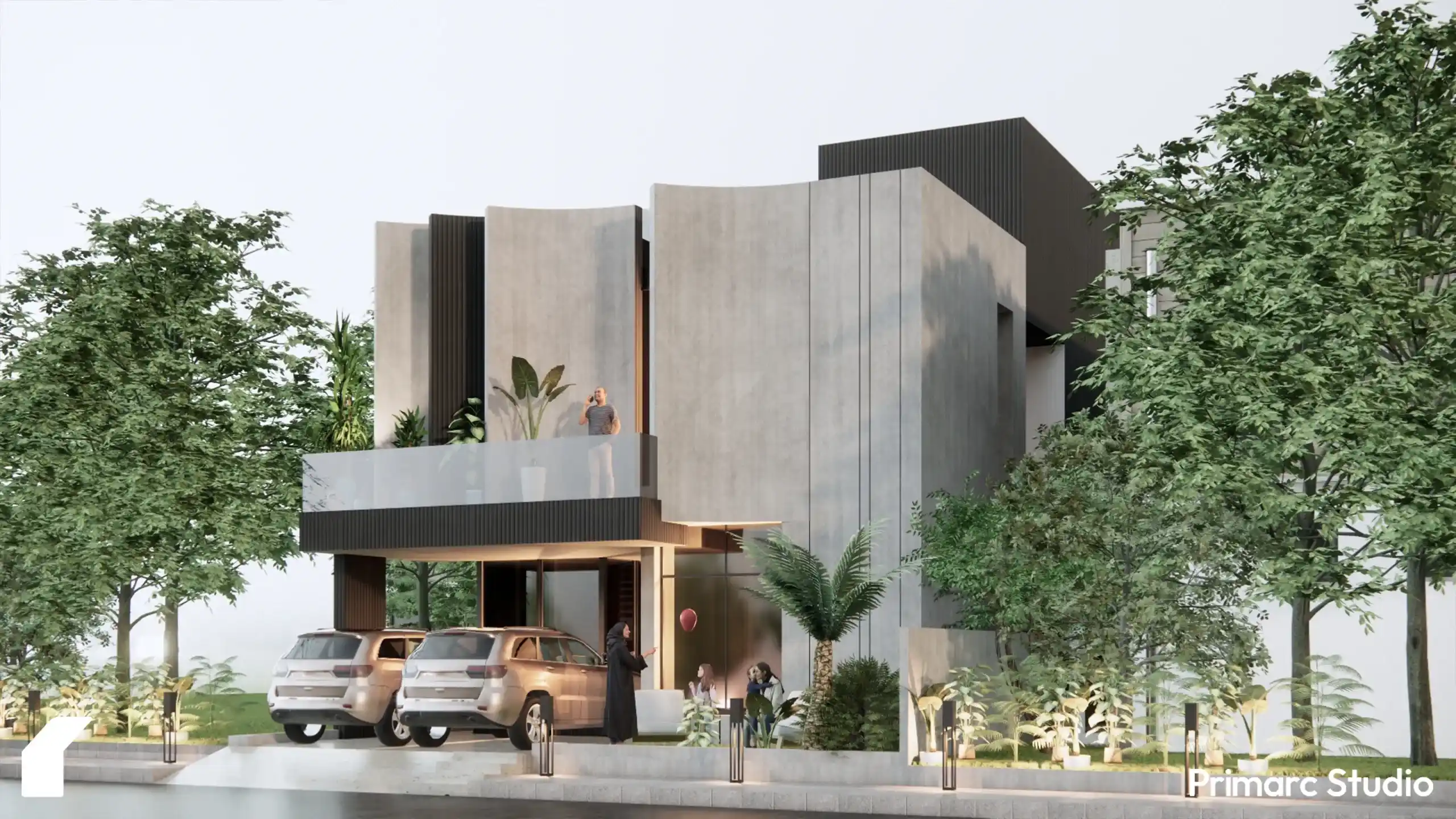
1. Strategic Solar Orientation
One of the most cost-effective design moves costs exactly zero rupees: orienting the house correctly. By analyzing the sun path specific to Islamabad, we position larger windows on the North and South sides while minimizing glass on the East and West. This naturally reduces heat gain during peak summer afternoons, keeping indoor temperatures significantly lower.
2. Natural Cross-Ventilation
Cross-ventilation is a non-negotiable requirement in our professional architectural process. By ensuring every room has a clear path for air to enter and exit, we create a natural cooling effect. This allows homeowners to delay turning on air conditioning during the shoulder seasons (Spring and Autumn), leading to massive cumulative savings.
3. The Biophilic Facade & Shading
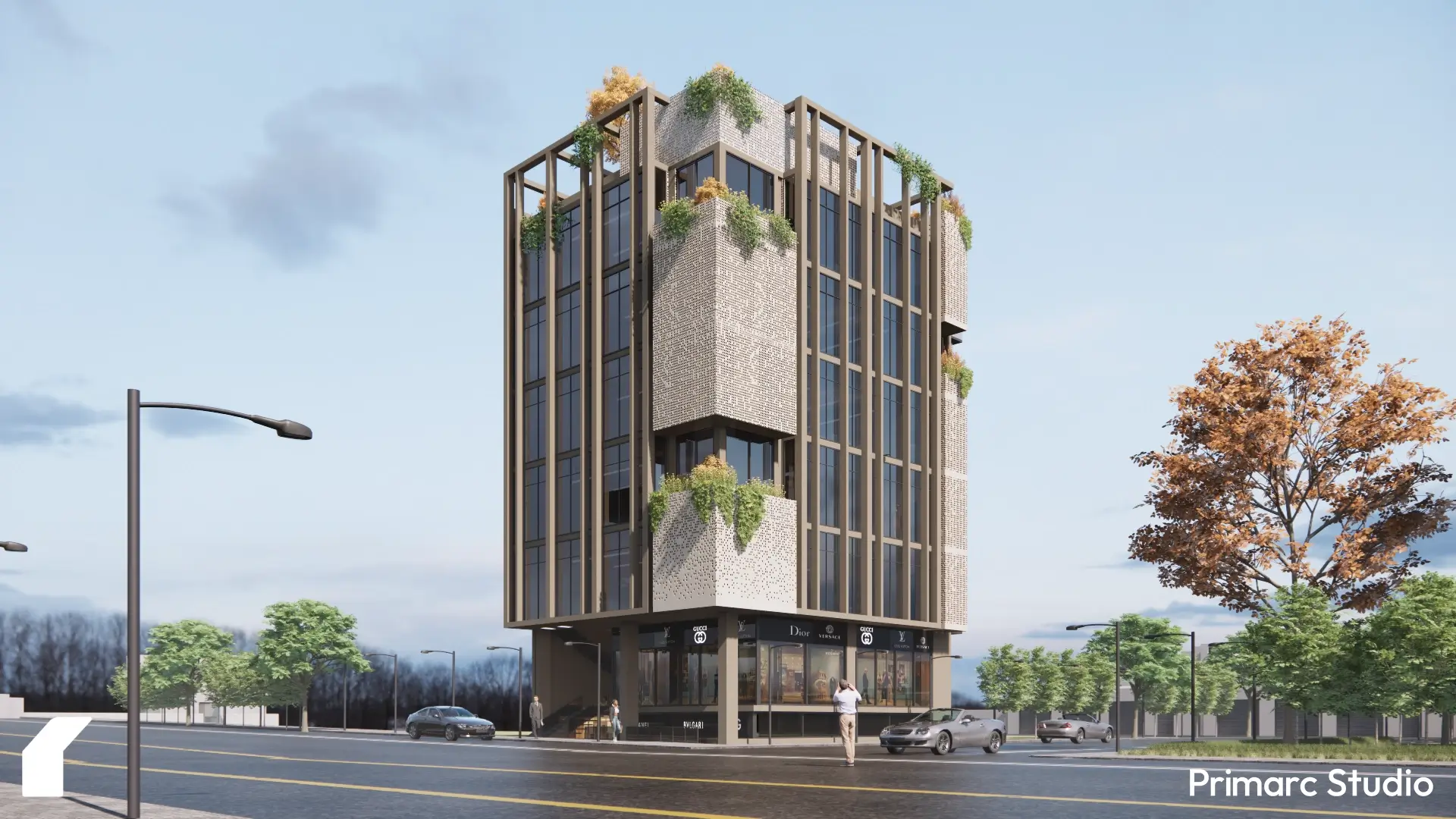
Our signature biophilic facade isn’t just for aesthetics. By integrating vertical greenery or architectural shading elements (such as jalis or deep overhangs), we create a “second skin” for the building. This blocks direct sunlight from hitting the main walls, preventing the structure from soaking up heat and radiating it into your living spaces at night.
4. High-Performance Thermal Insulation
We recommend investing a small percentage of the initial budget into roof and wall insulation. In a typical 10 Marla house, the roof is the largest source of heat entry. Using modern insulation materials can reduce indoor temperatures by , meaning your cooling systems don’t have to work nearly as hard, extending their lifespan and reducing your bills.
5. Designing for Solar Readiness
With the energy landscape of 2026, every new house in Islamabad should be “Solar Ready.” We design roof layouts specifically to accommodate hybrid solar setups, ensuring that water tanks or mumties do not cast shadows on your panels. Planning this during the architecture phase avoids expensive “jugaad” fixes or structural modifications later when you decide to go off-grid.
Smart architectural choices can significantly lower your electricity bills. Read our guide on designing energy-efficient homes in Islamabad to see how orientation and materials impact long-term costs.
Common Pitfalls – Why “Cheap” Designs End Up Being Expensive
In the pursuit of a cost-effective house design in Islamabad, many homeowners fall into the trap of “False Economy.” This is the mistake of saving a small amount of money today, only to pay ten times that amount in repairs or structural fixes tomorrow.
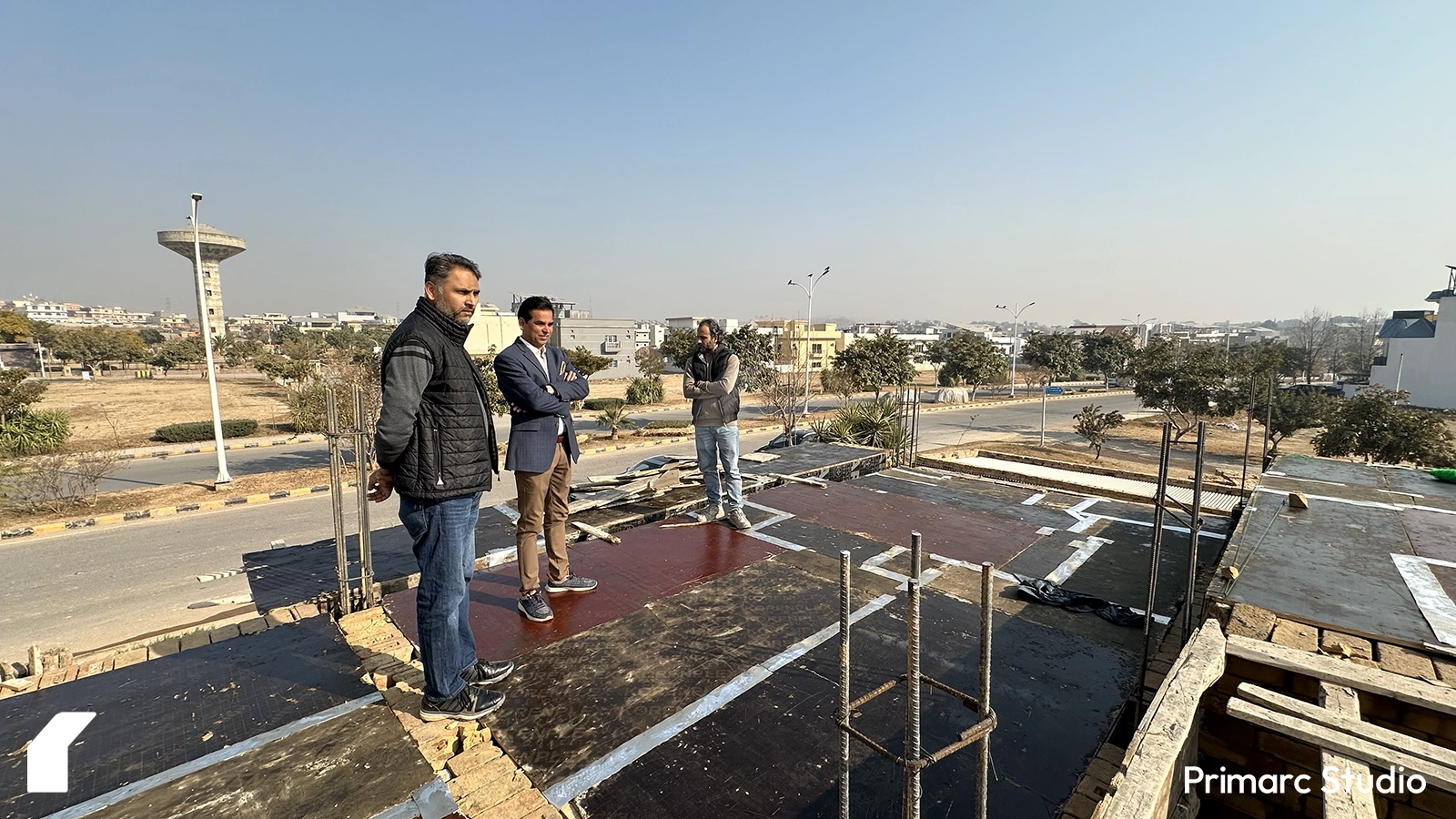
At Primarc Studio, we’ve seen these common mistakes lead to massive budget overruns. Avoiding them is the fastest way to keep your 2026 construction project on track.
1. Skipping the Professional Structural Engineer
The most common mistake is thinking you can “save” on professional fees by using a generic map or a non-certified drafter. As we mentioned earlier, a professional structural engineer is your best defense against the high cost of steel. Without precise calculations, most contractors will “over-steel” the structure “just to be safe,” wasting hundreds of thousands of rupees. Worse yet, an under-designed structure can lead to cracks that are nearly impossible (and very expensive) to fix.
2. The “Jugaad” Layout vs. Structural Alignment
Many people overlook the importance of vertical alignment. When the first-floor walls don’t align with the ground-floor walls, you are forced to use transfer beams. These beams are heavy, steel-intensive, and labor-expensive. A “cheap” floor plan that ignores this structural reality ends up being far more expensive to build than a professionally designed, aligned layout.
3. Choosing “Cheap” over “Local Quality”
There is a big difference between economical and cheap. Buying low-grade tiles, sub-standard plumbing pipes, or unverified electrical wiring might save you money during the finishing stage. However, in the harsh climate of Islamabad, these materials often fail within 2–3 years. Replacing a leaking pipe behind a finished wall is a financial nightmare. It is always better to use high-quality local materials sourced through professional contacts who can guarantee the grade and price.
4. Changing the Plan During Construction
“Let’s move this wall two feet to the left” sounds simple when the gray structure is halfway done, but it is a budget killer. Every change on-site leads to material wastage, labor delays, and structural complications. A cost-effective house is one that is 100% finalized on paper before the first brick is laid.
5. Lack of Professional Supervision
Even the best design can fail if there is no one to monitor the labor. Without project management, material theft and wastage go unnoticed. Labor might skip critical steps in waterproofing or concrete mixing. Having your architecture firm manage the project ensures that the “Contract Conditions” are met and that you are only paying for the work that is actually done correctly.
Conclusion – Building for Long-Term Value
Cost-effective house design in Islamabad is not a race to the bottom of the price list. It is a calculated approach to building a home that is reasonable and feasible for your family, both today and twenty years from now.
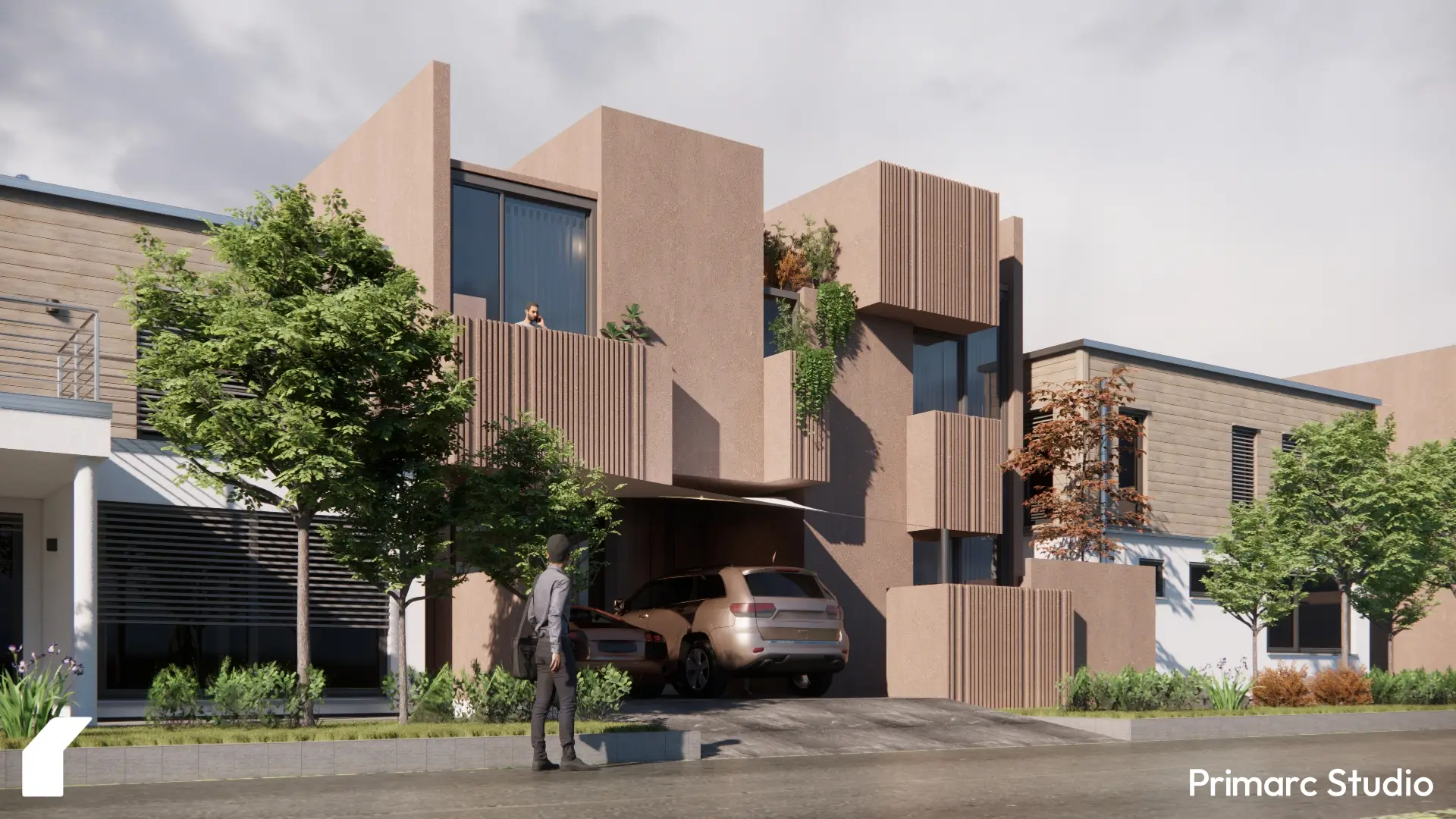
By focusing on structural alignment, optimizing circulation through smart stair placement, and leveraging the technical expertise of a professional architecture firm like Primarc Studio, you can navigate the rising 2026 construction costs without sacrificing the “A-category” feel of your home. Whether you are building a 5 Marla unit or a modern 10 marla house, the secret lies in the quality of the planning, not just the quantity of the materials.
Making informed decisions during the design phase—such as prioritizing cross-ventilation and involving a structural engineer early—ensures that every rupee spent adds genuine value to your lifestyle and your property’s resale potential.
Ready to Build Your Smart Home?
At Primarc Studio, we specialize in architecture and project management that bridges the gap between luxury design and budget reality. If you are planning a project in Gulberg Greens, DHA, or anywhere in Islamabad, visit our office for a detailed consultation. Let’s turn your vision into a practical, beautiful, and cost-effective reality.

Primarc Studio Architects
The Primarc Studio editorial team consists of architects and designers specializing in modern residential projects, interior designs and commercial designs across Pakistan. Together, we share insights on design trends, construction costs, and project case studies.