CLIENT
Undefined
Project Type
Undefined
LOCATION
Undefined
Covered Area
Undefined square feet approx.
Status
Undefined
Tags
Architecture design - Interior design - Landscape design - Structure design - Electrical design - Plumbing design - Site Supervision
A Study in Adaptive Modern Renovation
The story of Shaukat House began long before we arrived on site. When the client first approached us, the gray structure was already nearing completion. However, there was a palpable sense of hesitation. The original design lacked a cohesive interior flow, and the transition between levels felt disjointed.
The Client Brief was clear but demanding: “We are finished with the basic structure, but we aren’t sure about the interior. We need a design that improves the overall flow and layout within our existing budget and construction constraints. We want a modern home that encourages family interaction on the lower floors while providing complete privacy and an open, integrated feel for guests on the upper levels.”
As architects, our primary “enemy” was the existing footprint. We had to work within the fixed columns and load-bearing walls of a structure we didn’t start. The original layout felt claustrophobic small rooms and dark corners that didn’t suit the modern, airy lifestyle the client desired. Furthermore, the exterior needed to be more than just a coat of paint; it needed a material soul that could withstand Islamabad’s harsh sun and dust.
The Design Response: Our intervention focused on three core pillars: spatial flow, material longevity, and vertical integration.
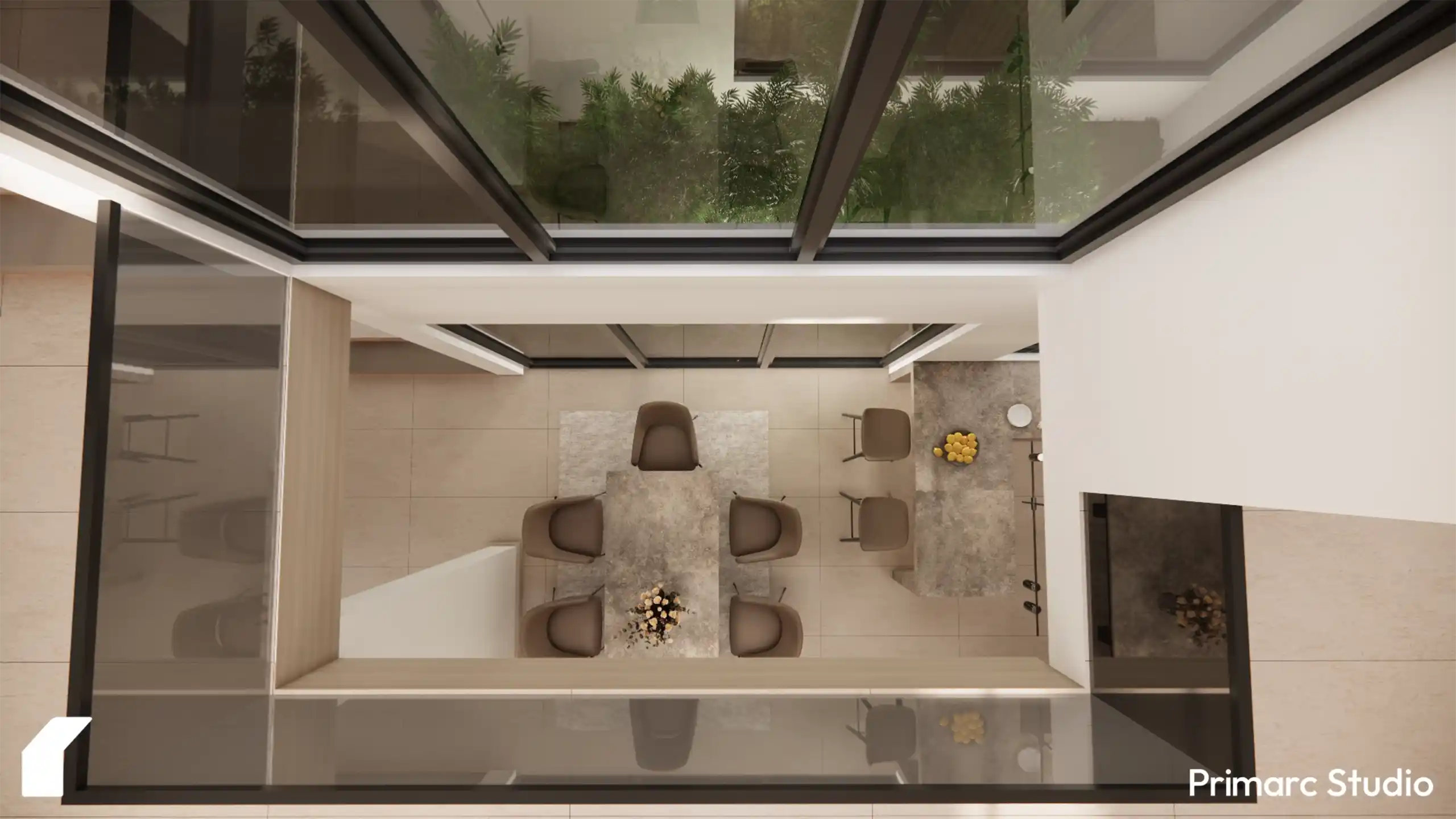
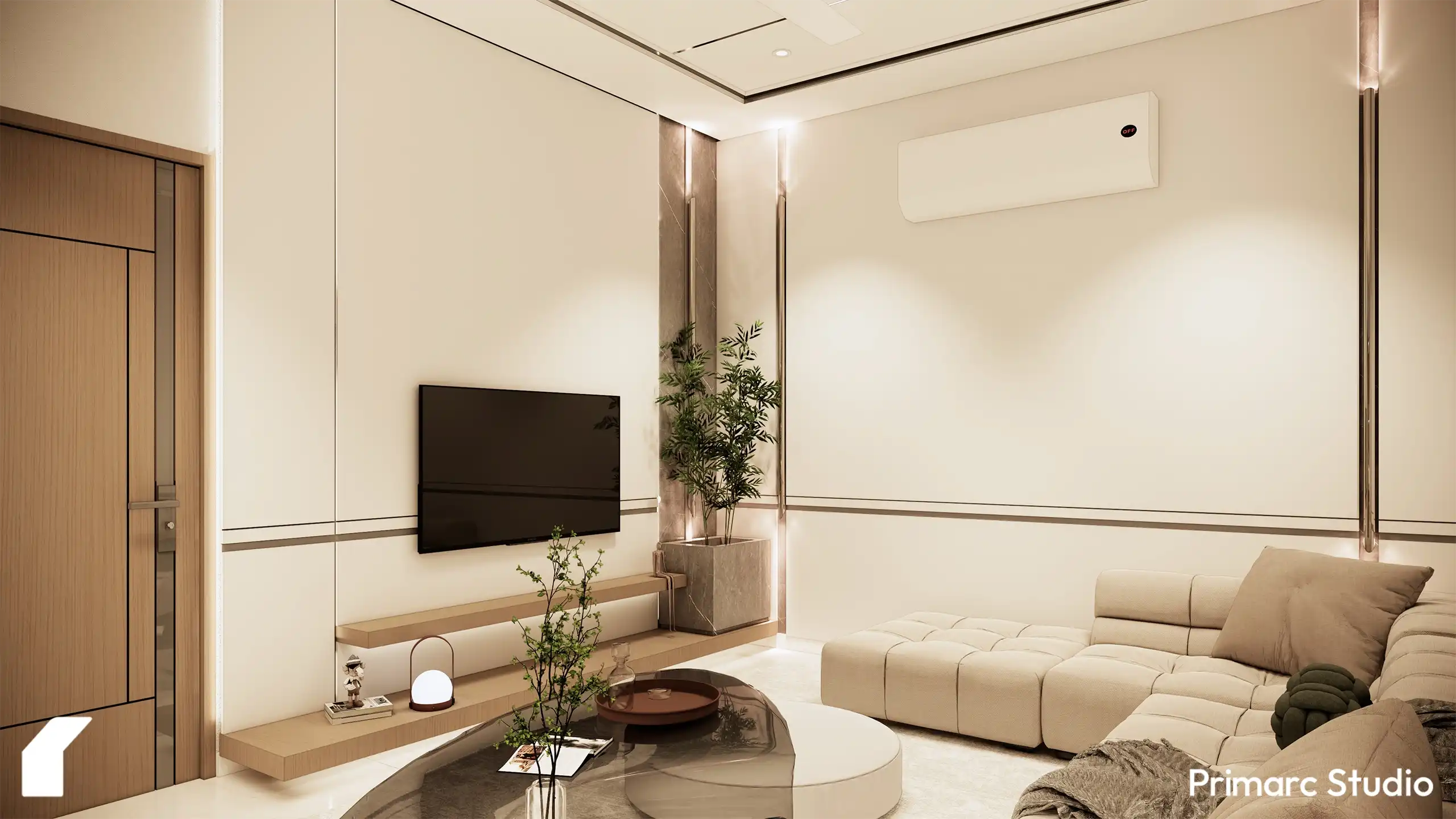
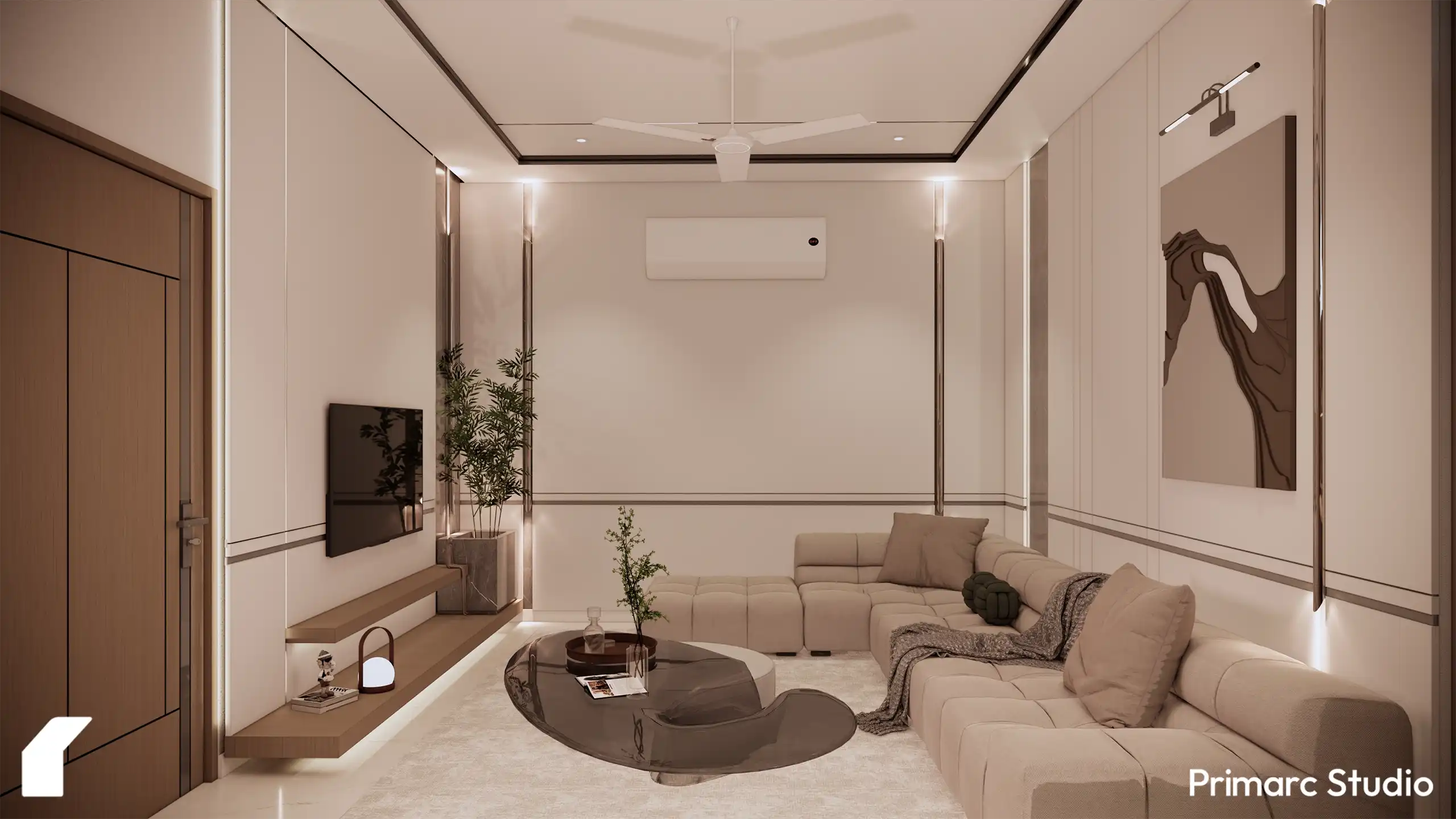
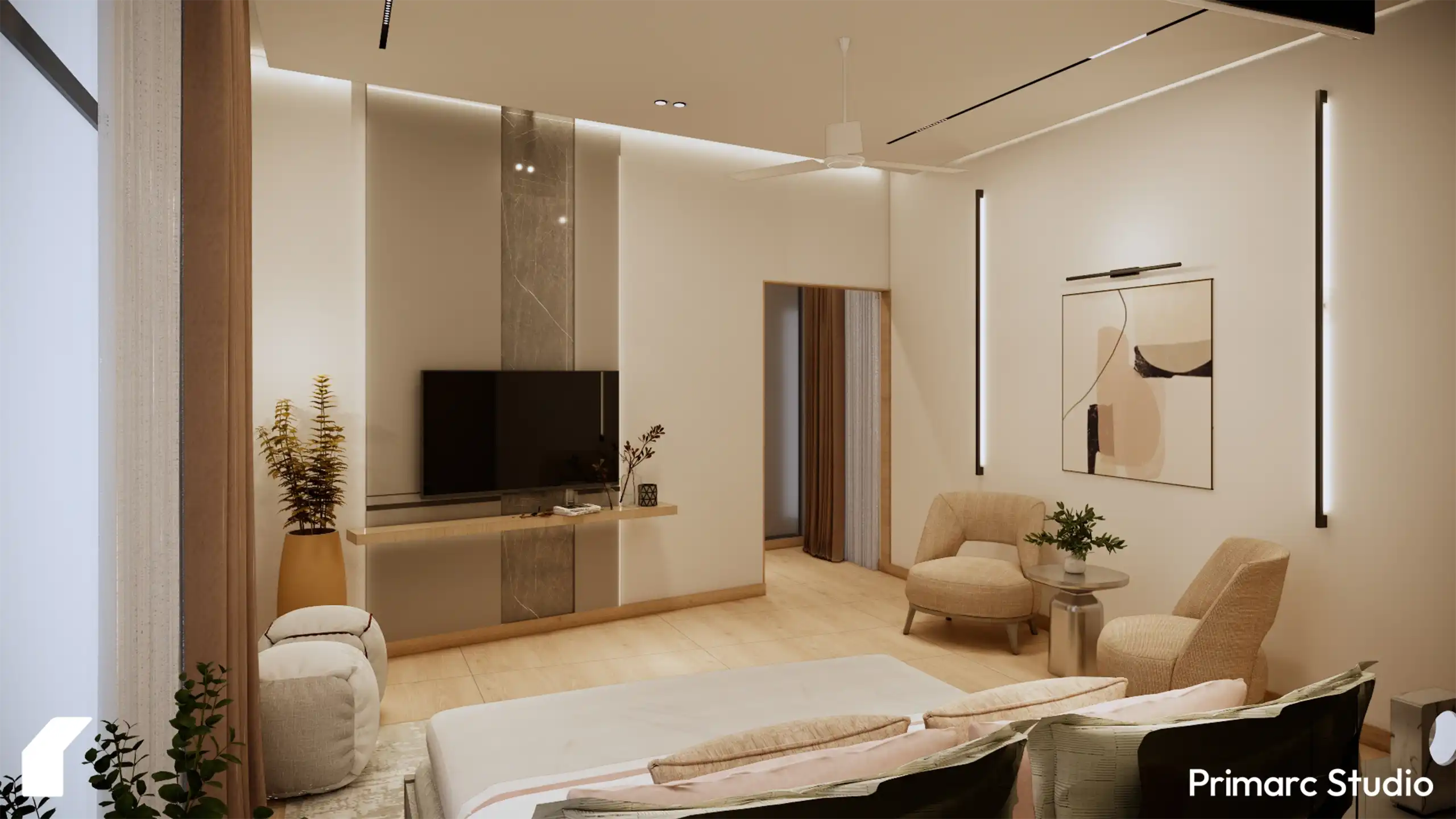
We stripped back non-essential internal partitions to create a seamless, open-plan “interaction zone.” By integrating the lounge, dining, and kitchen into a singular visual field, we forced the architecture to encourage family connection. For the kitchen, we moved away from standard finishes, suggesting a modern, scuff-resistant, and thigh-plated surface to ensure the heart of the home remains pristine under heavy use.
The second floor was treated as an independent pavilion for guests. To solve the issue of “closed-in” upper floors, we integrated the rooftop directly with the interior guest sitting area. This creates a “Sky Lounge” effect where the boundary between the inside and the Islamabad skyline disappears, making the relatively compact footprint feel expansive.
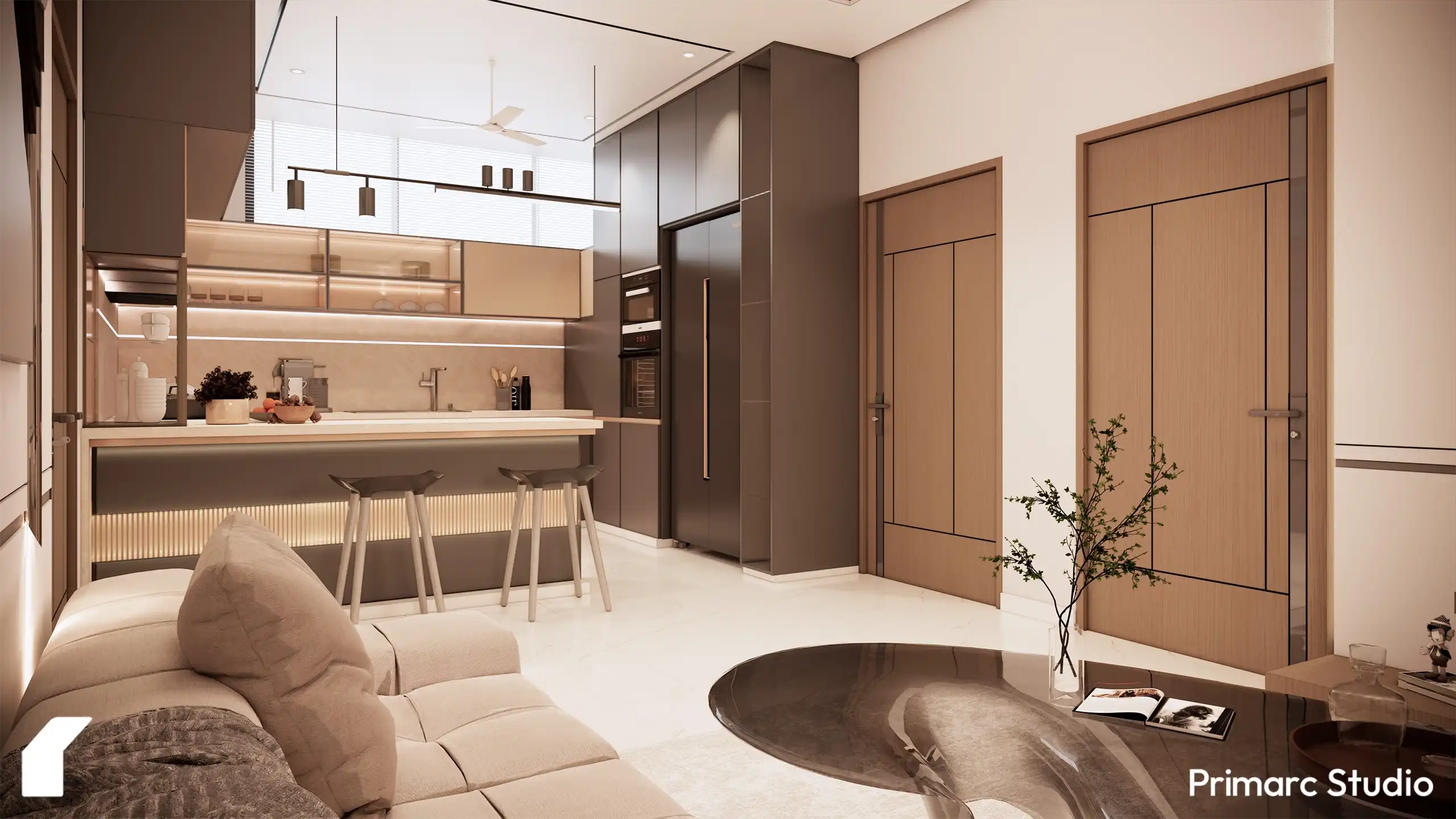
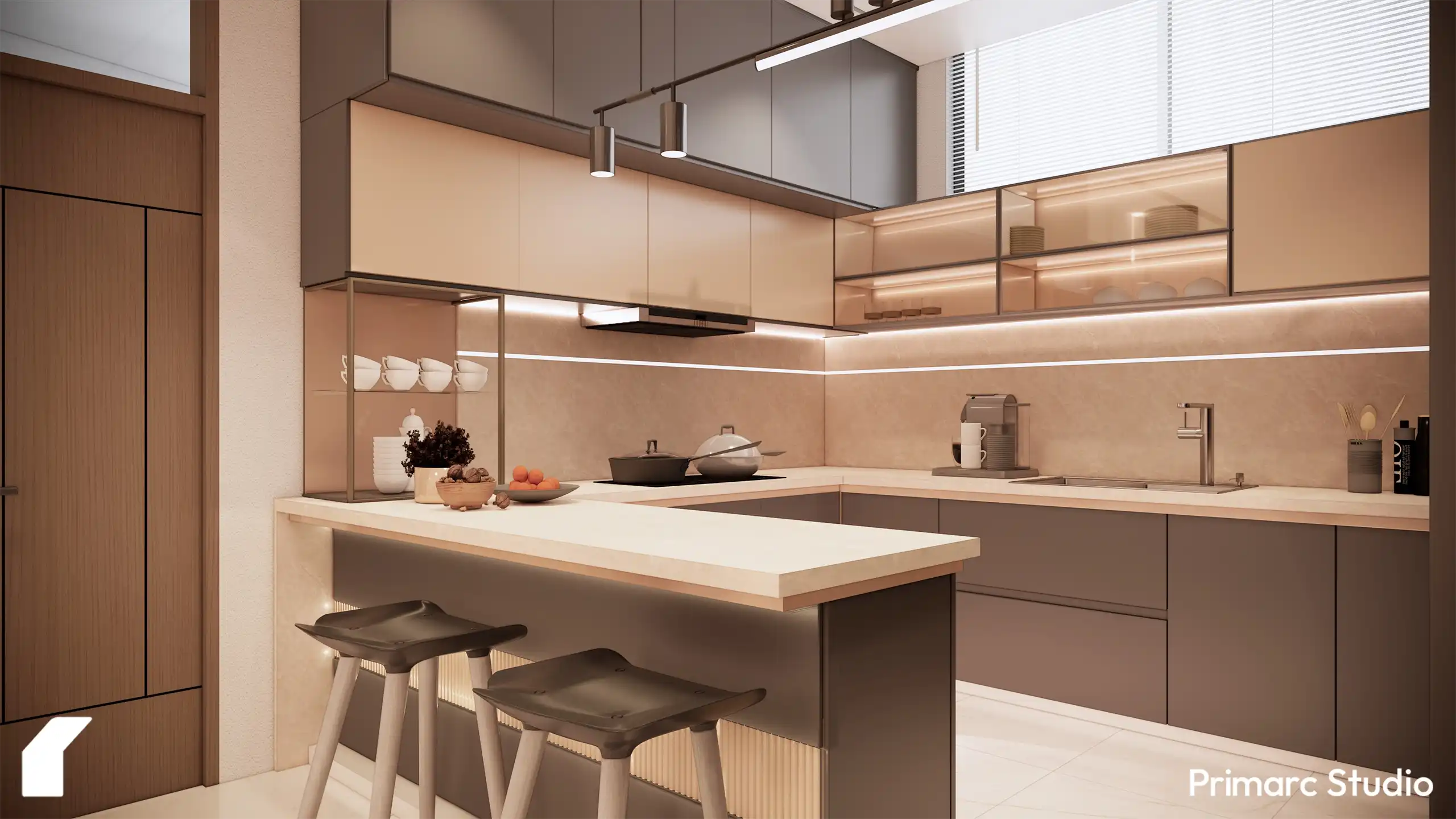
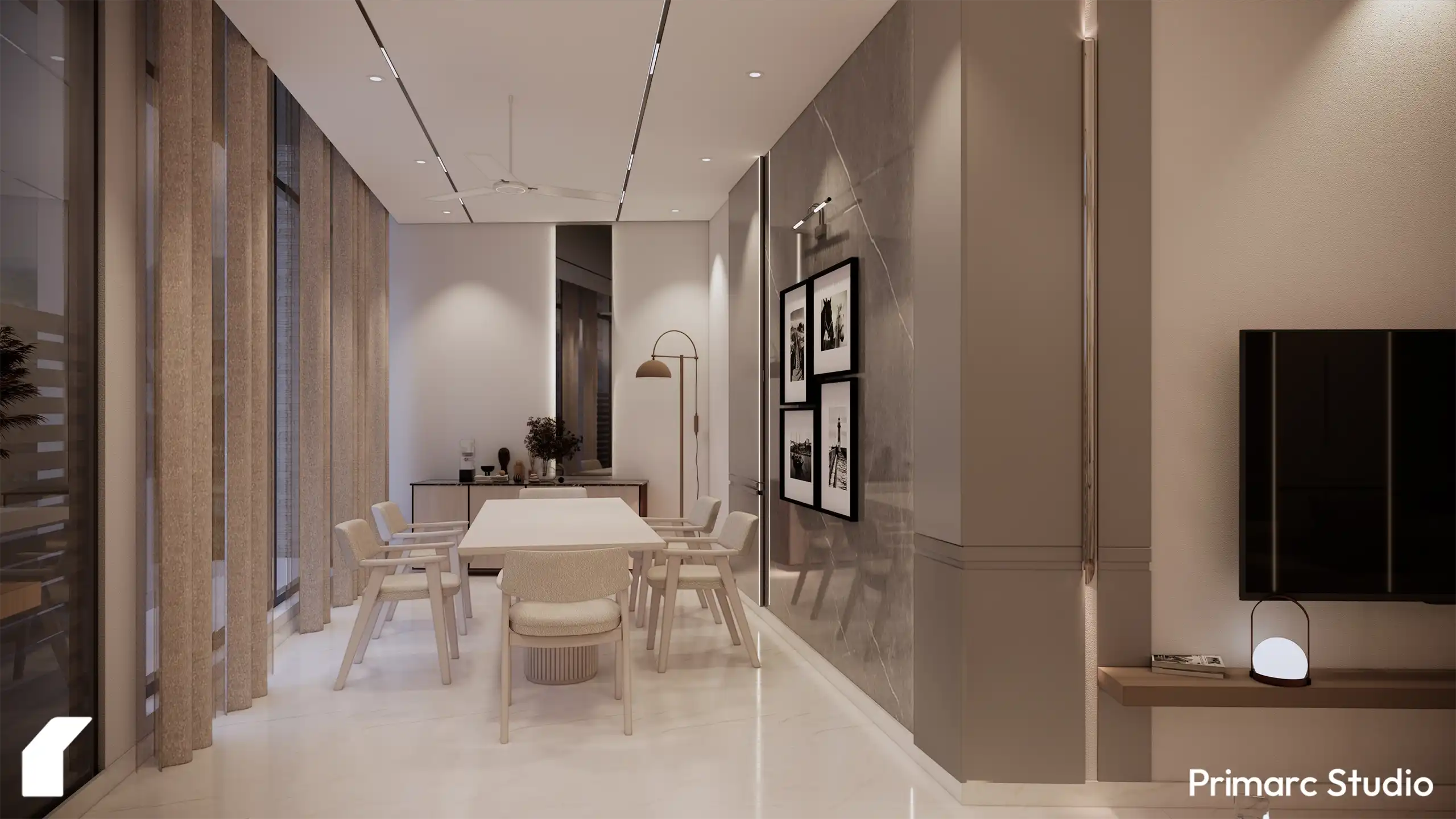
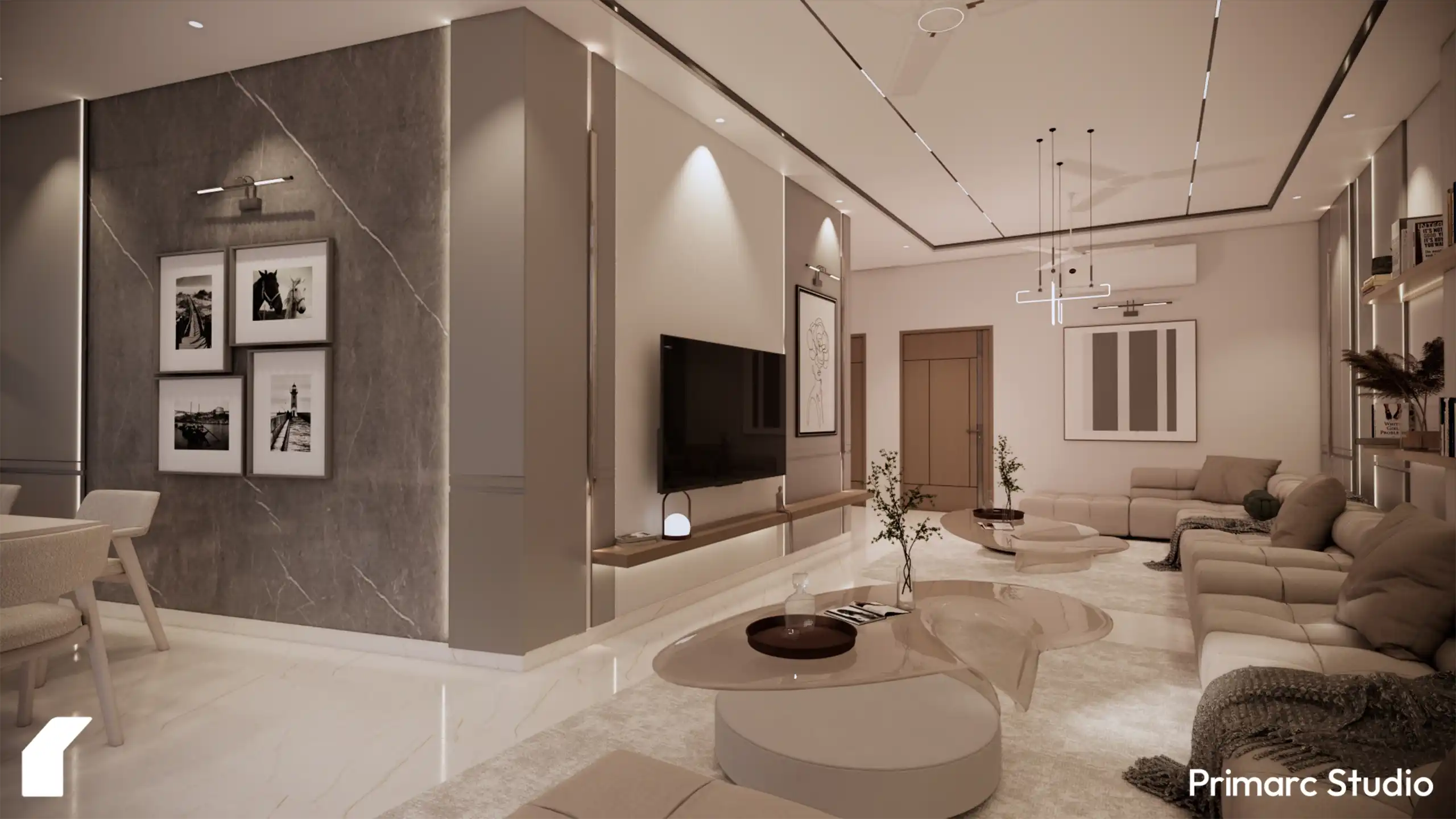
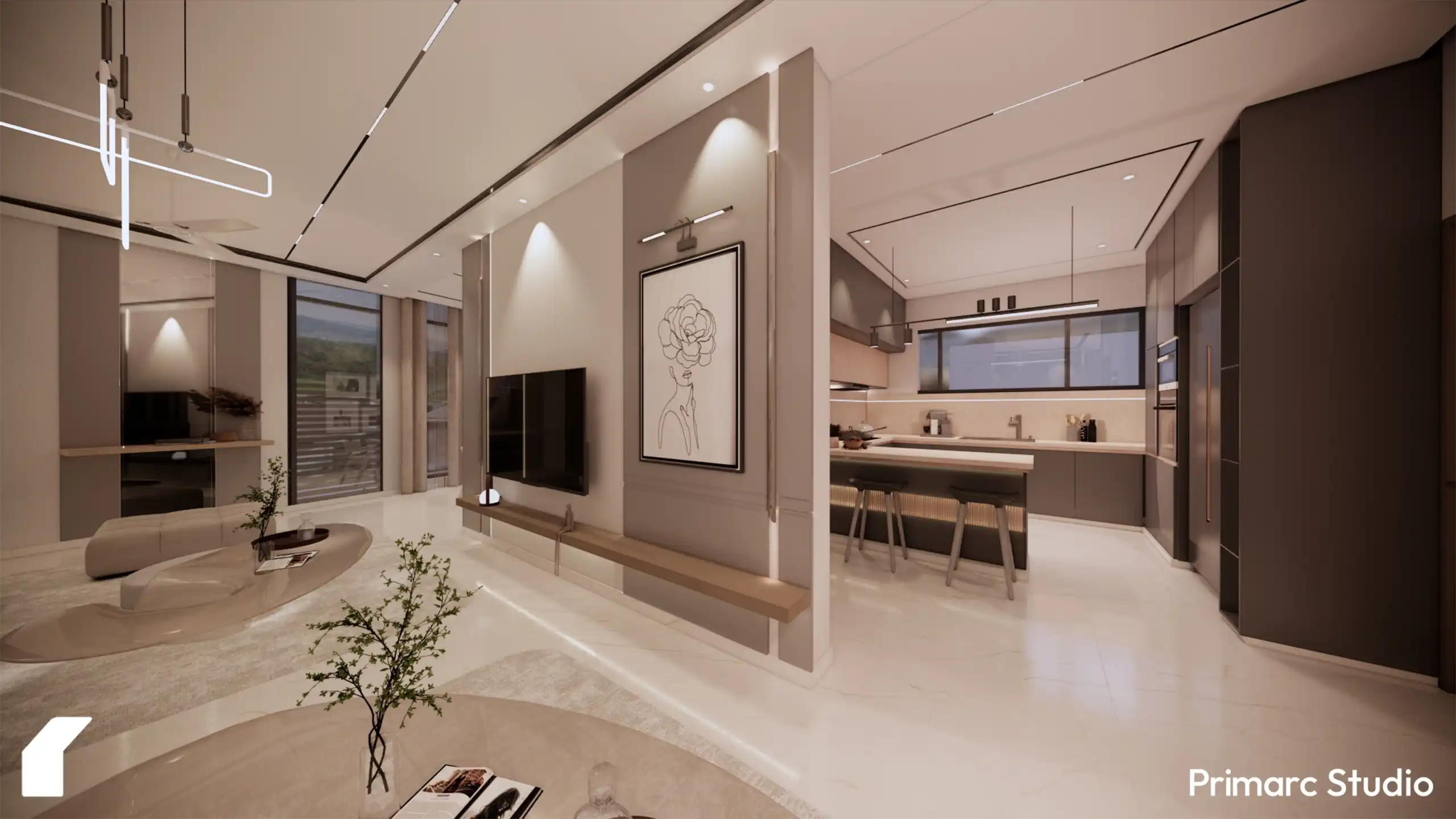
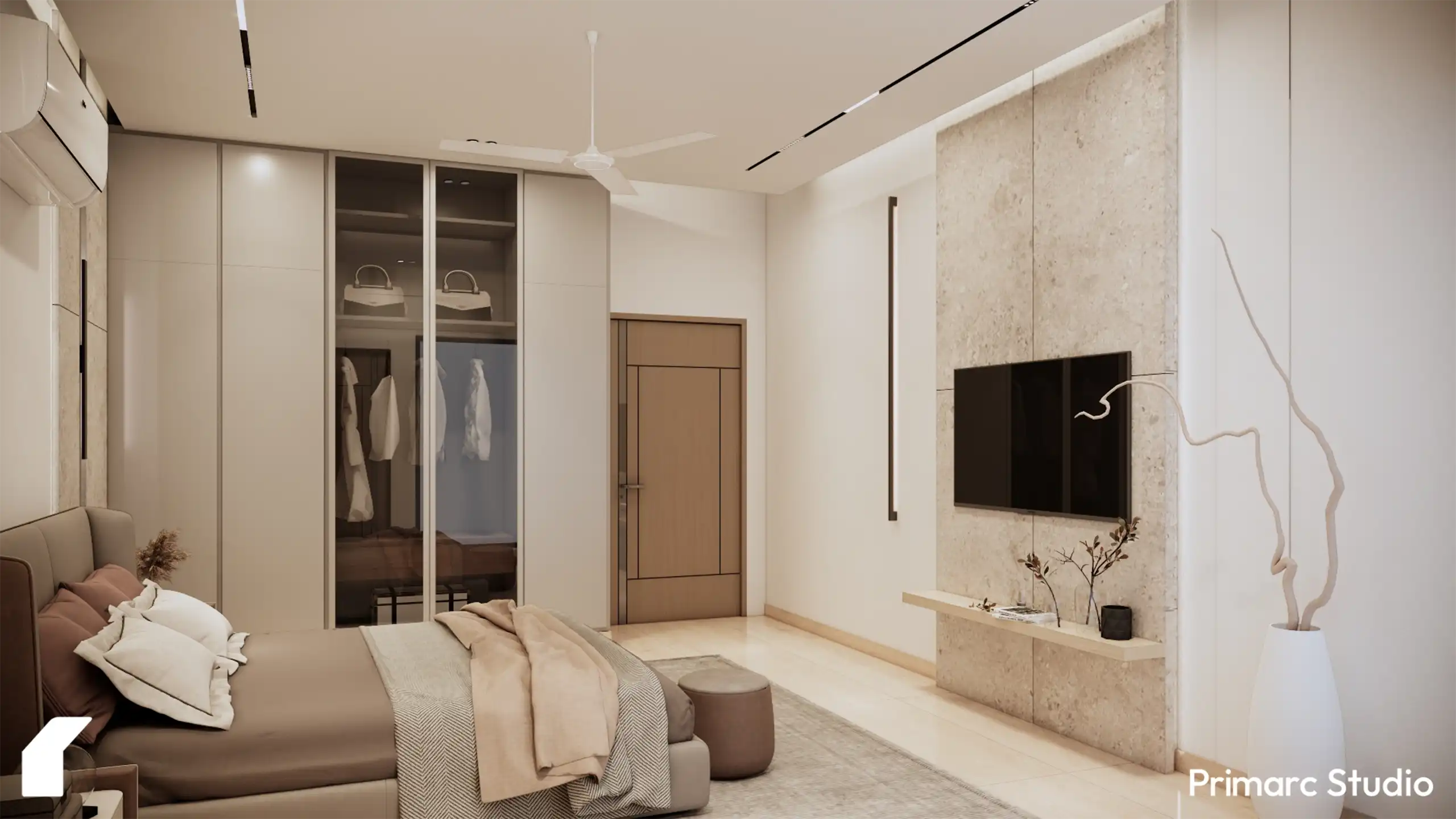
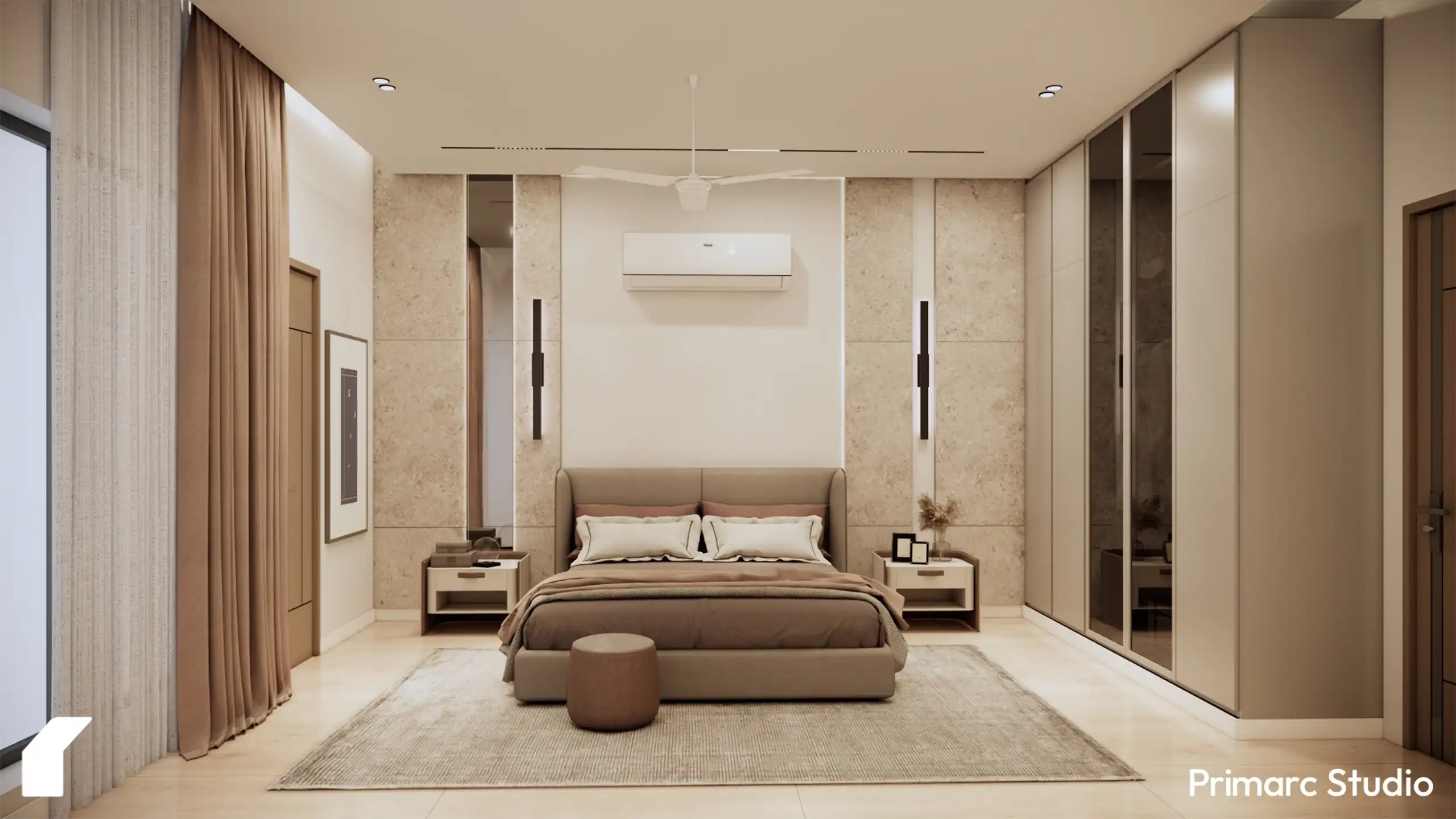
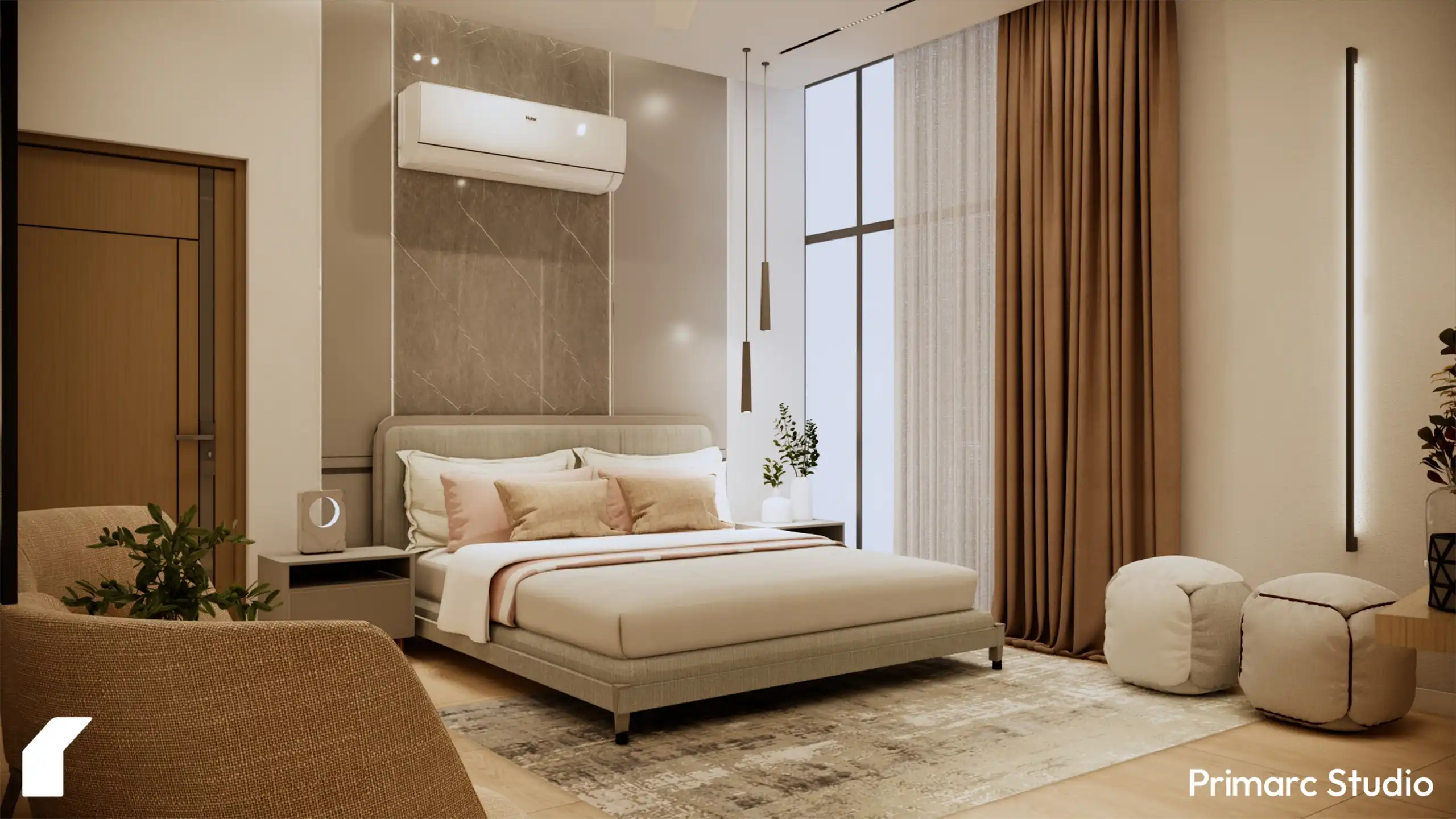
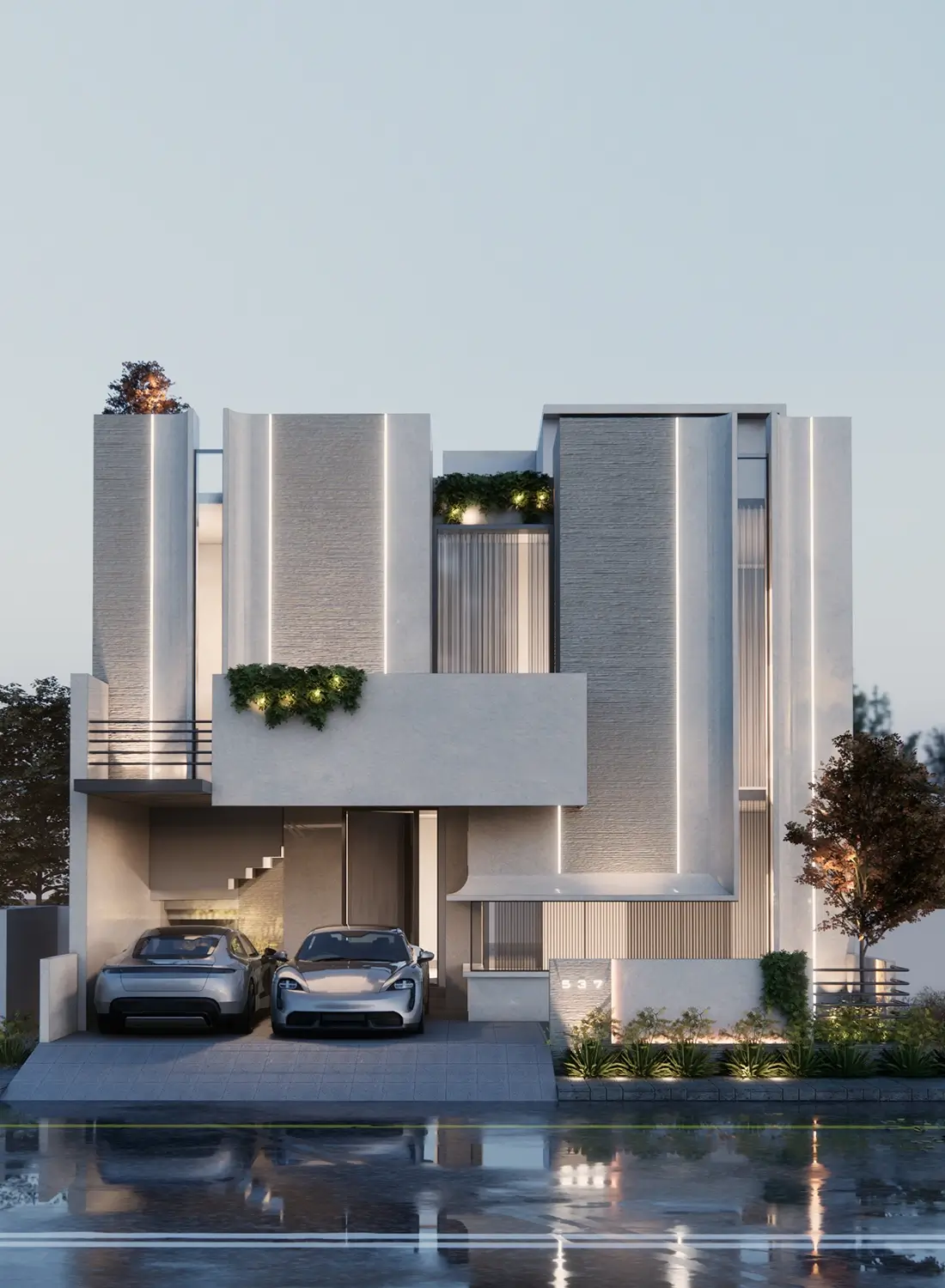
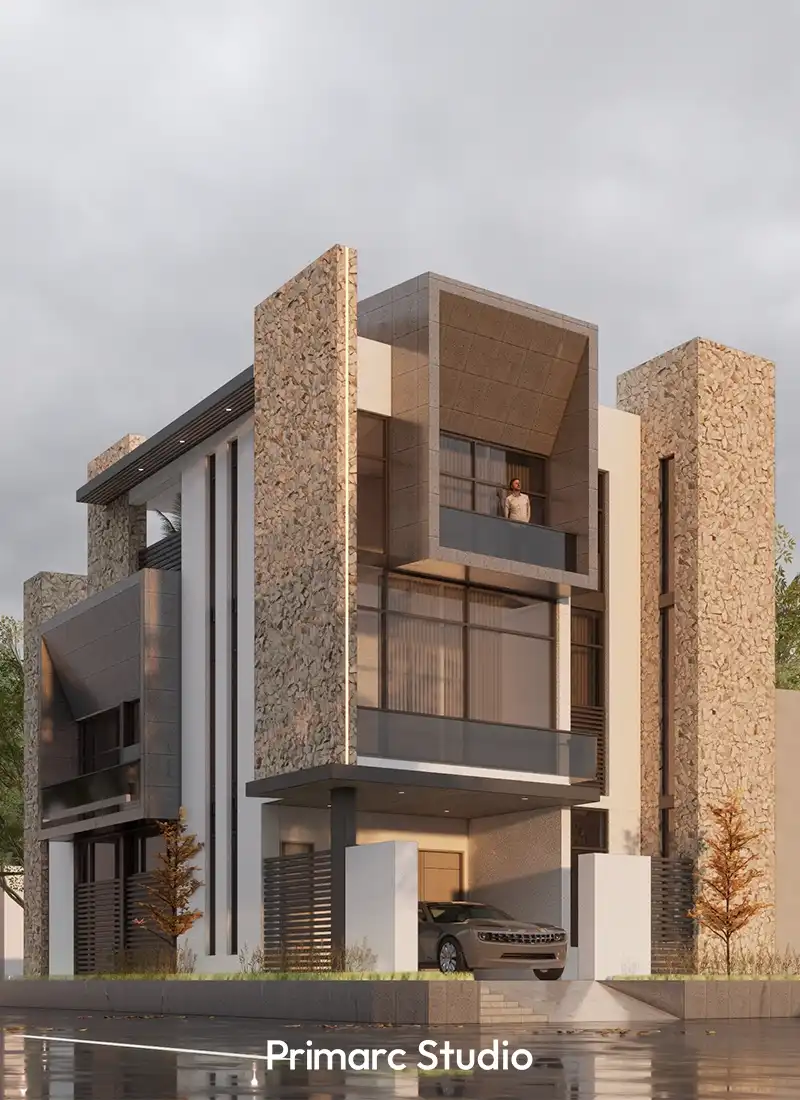
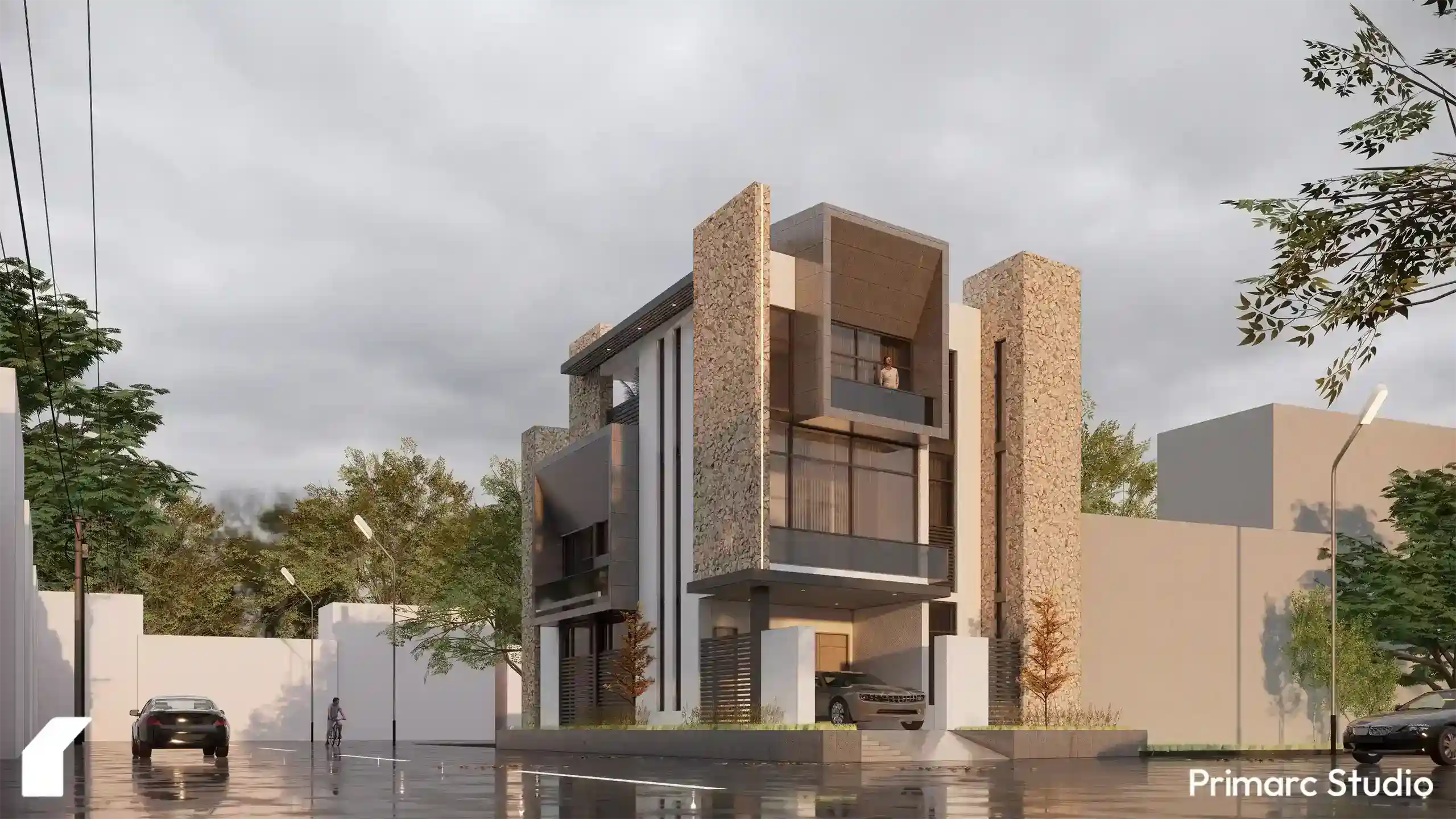
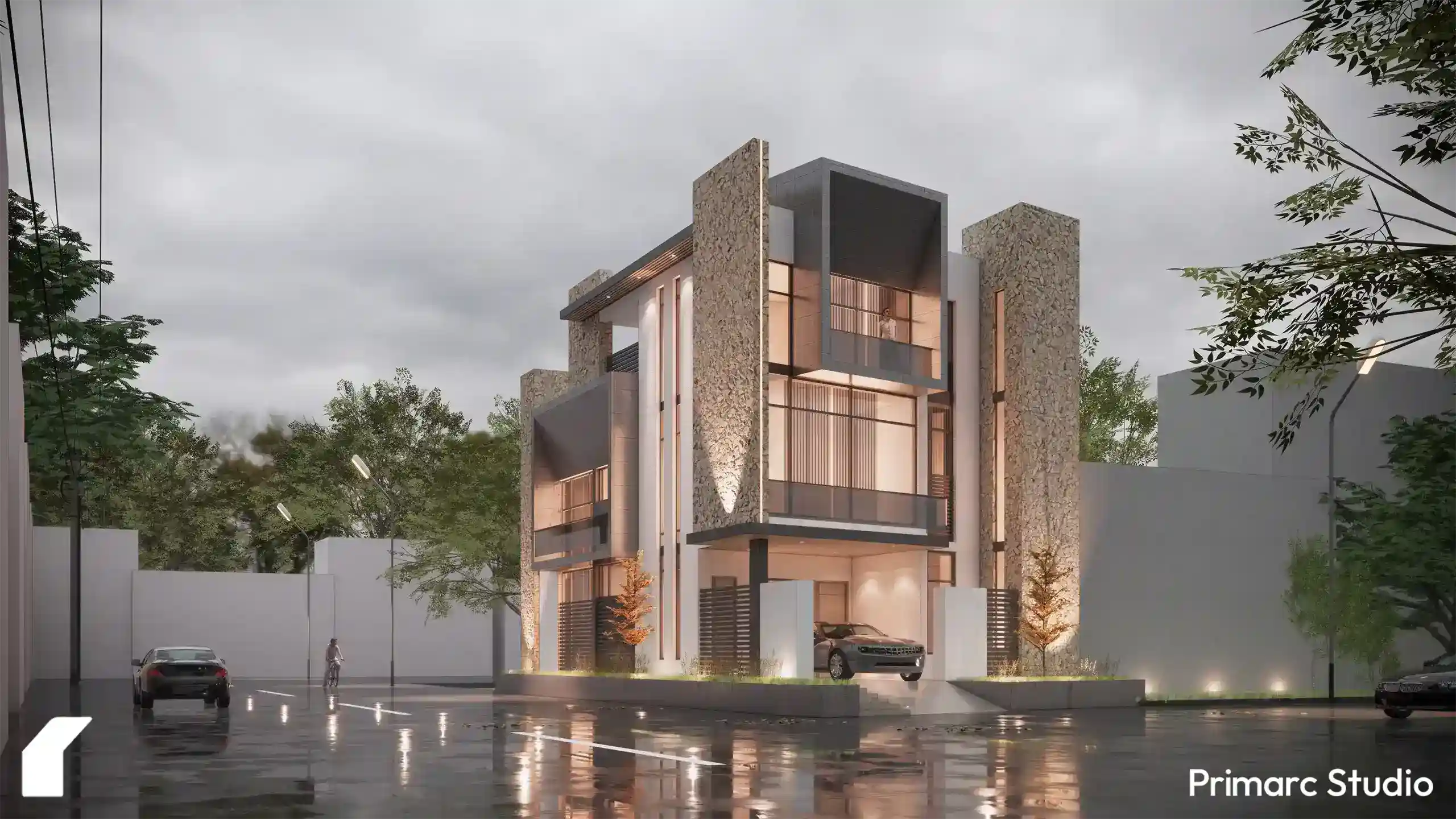
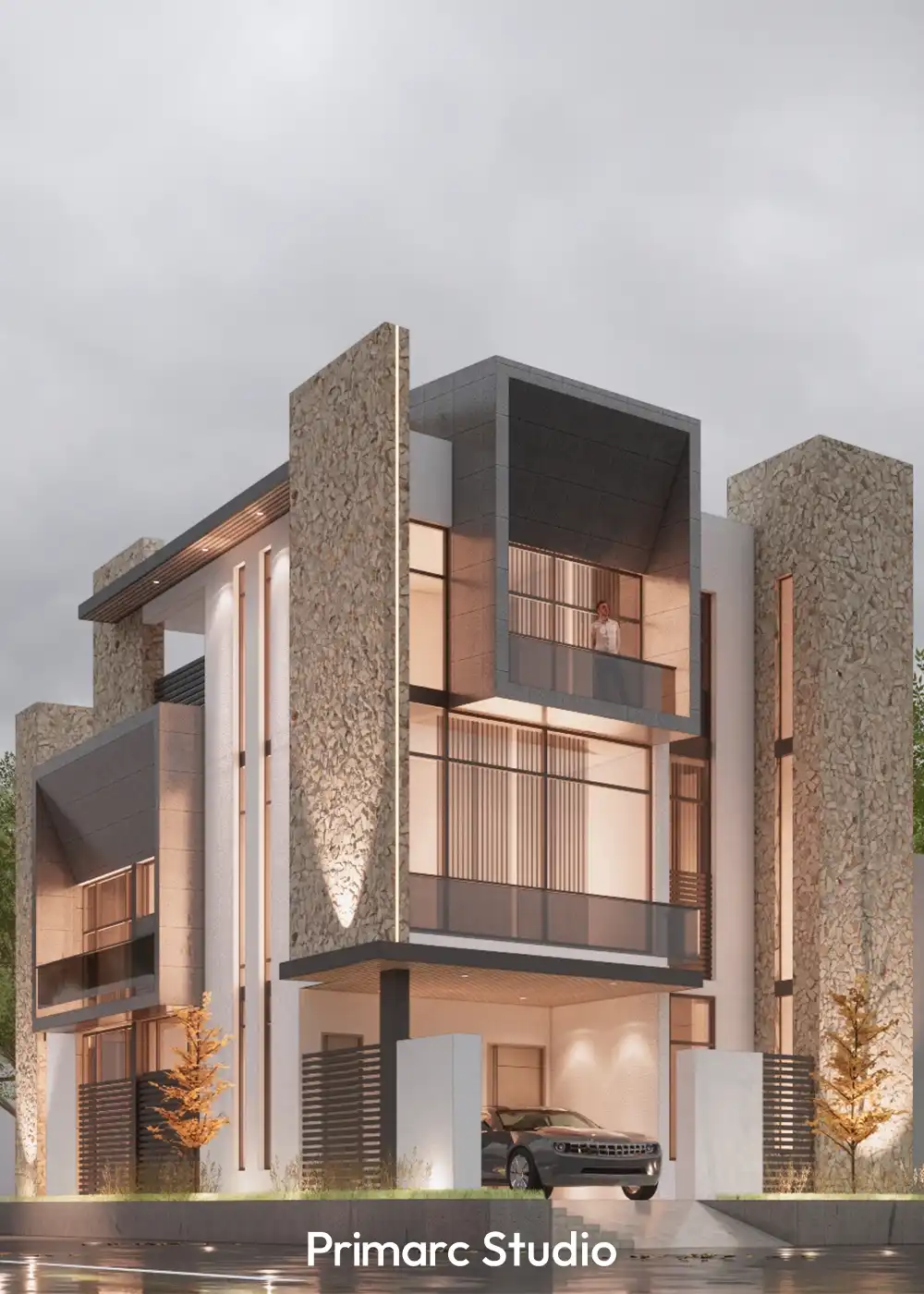
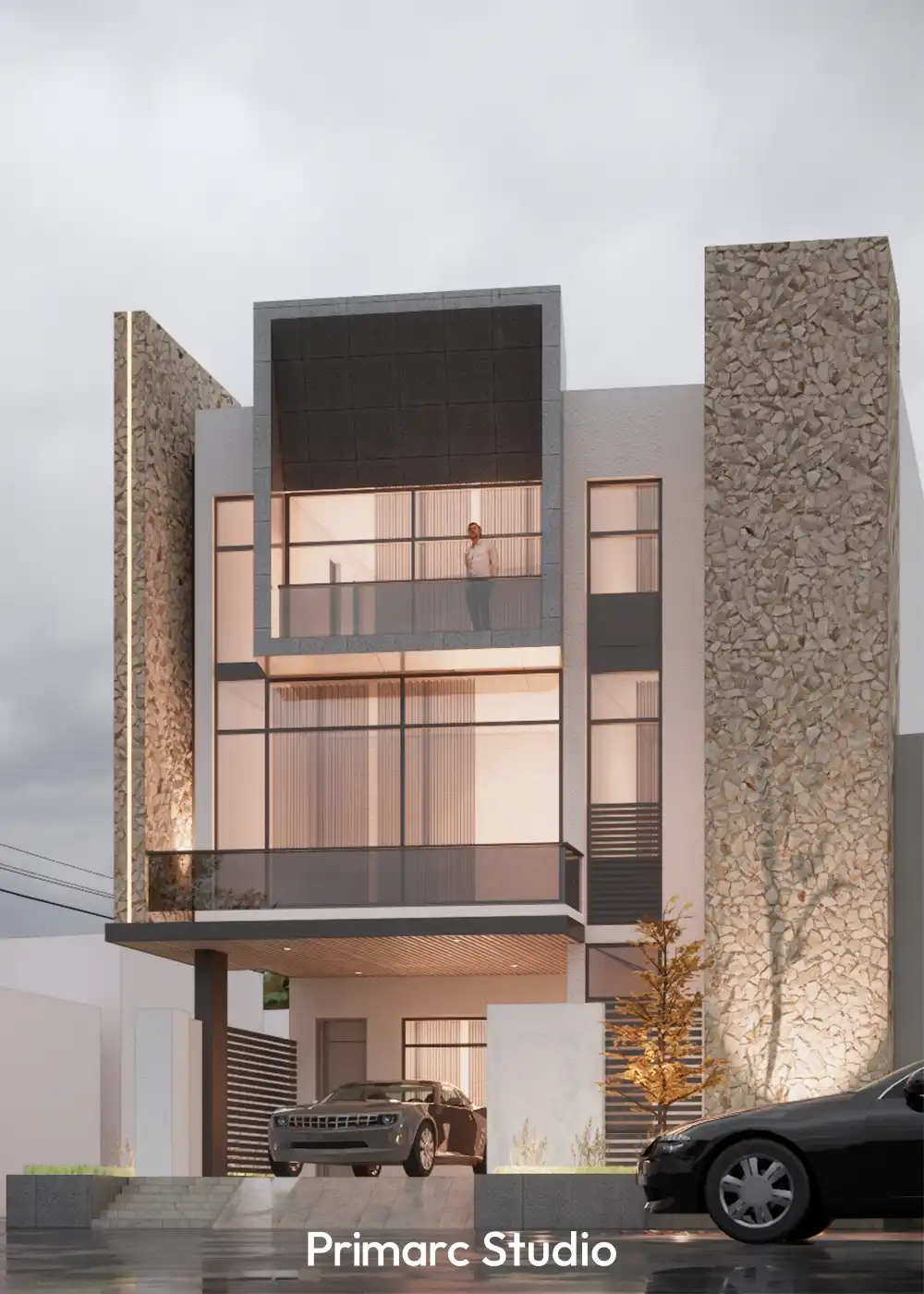
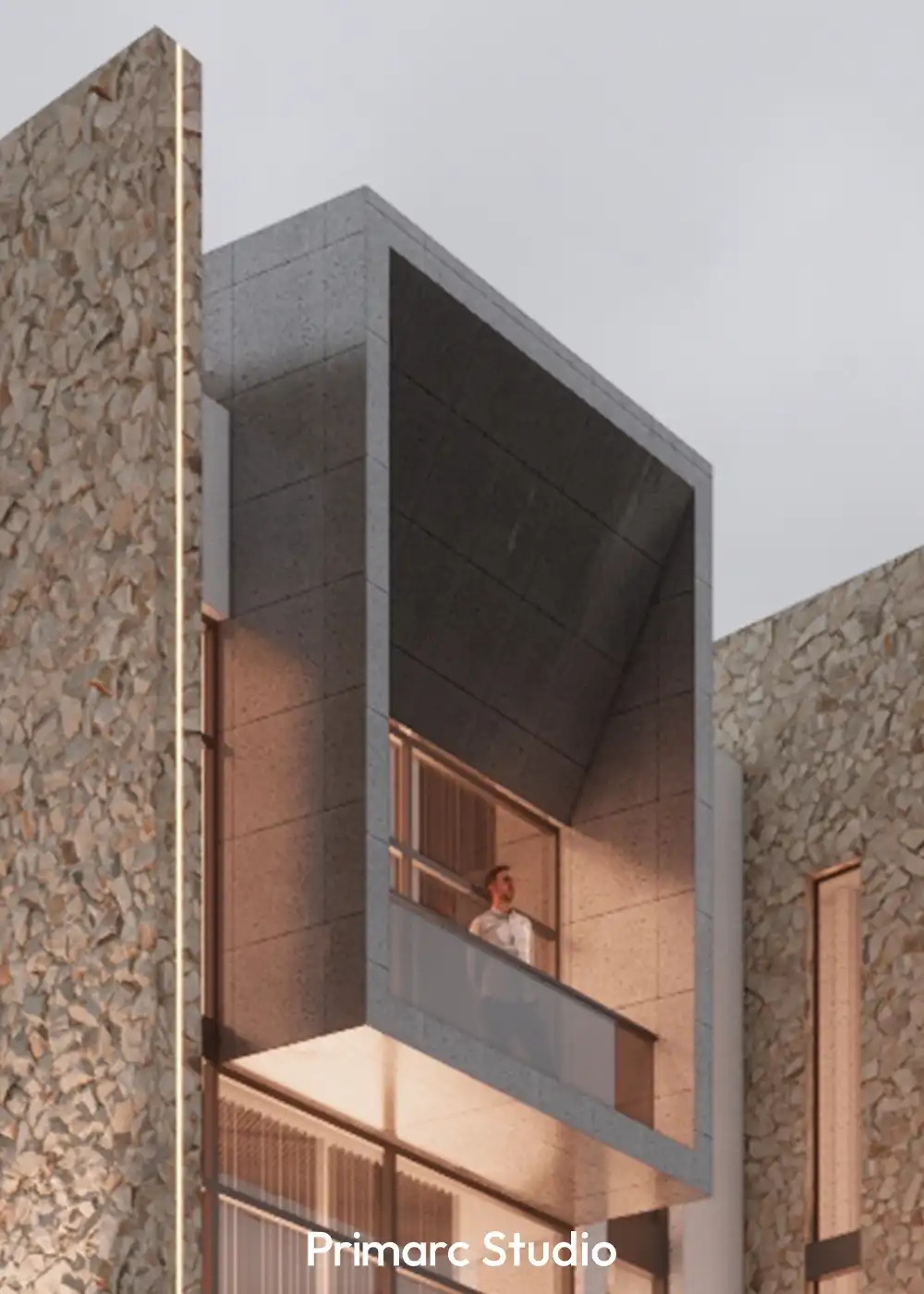
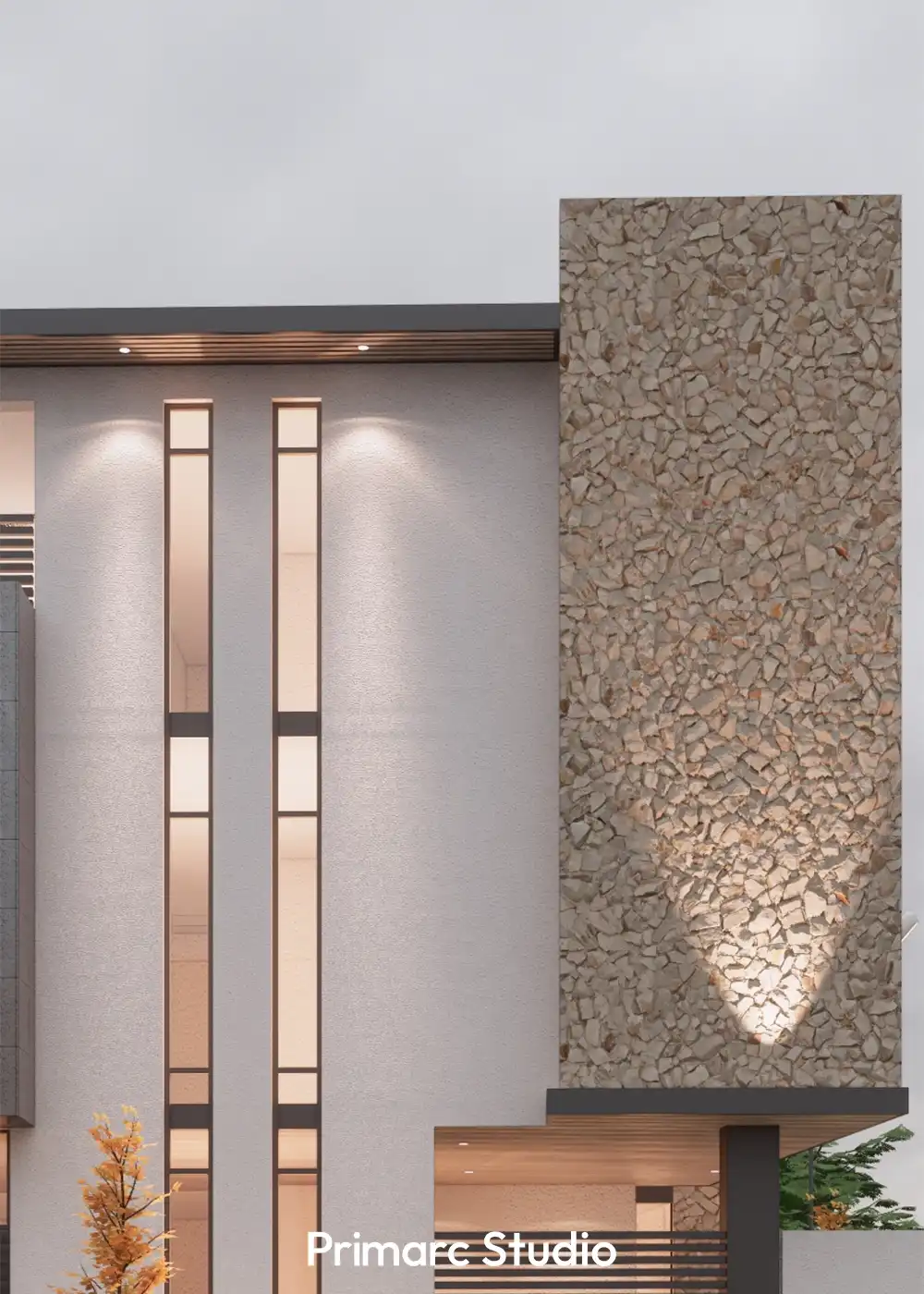
For the exterior, we made a strategic choice to clad the primary volumes in Yellowstone. Beyond the aesthetic appeal of its rugged, organic texture, this was a functional decision to increase the life of the building’s envelope. In a city like Islamabad, where weather can be unforgiving, stone provides a thermal mass and a maintenance-free finish that paint simply cannot match.
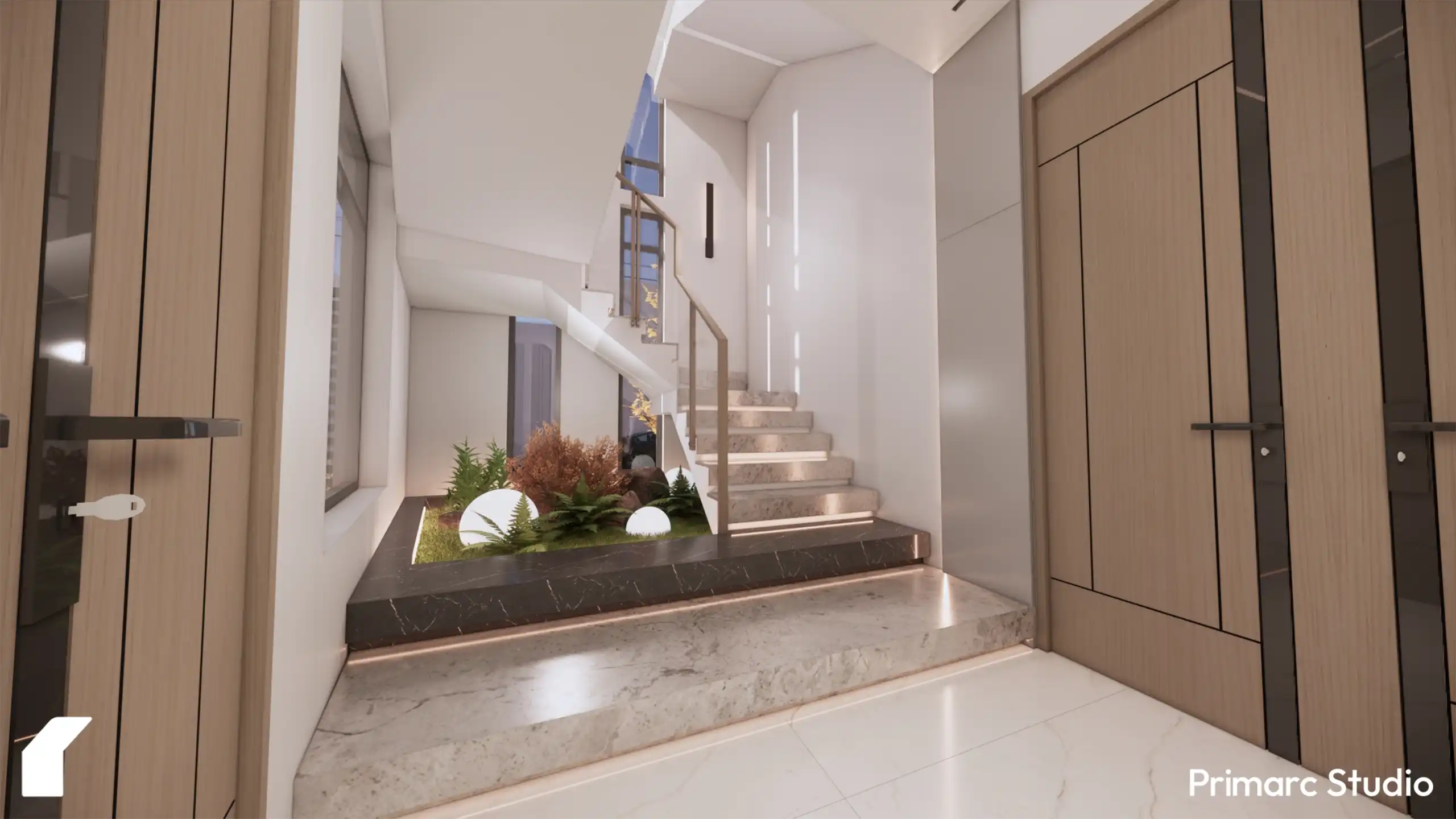
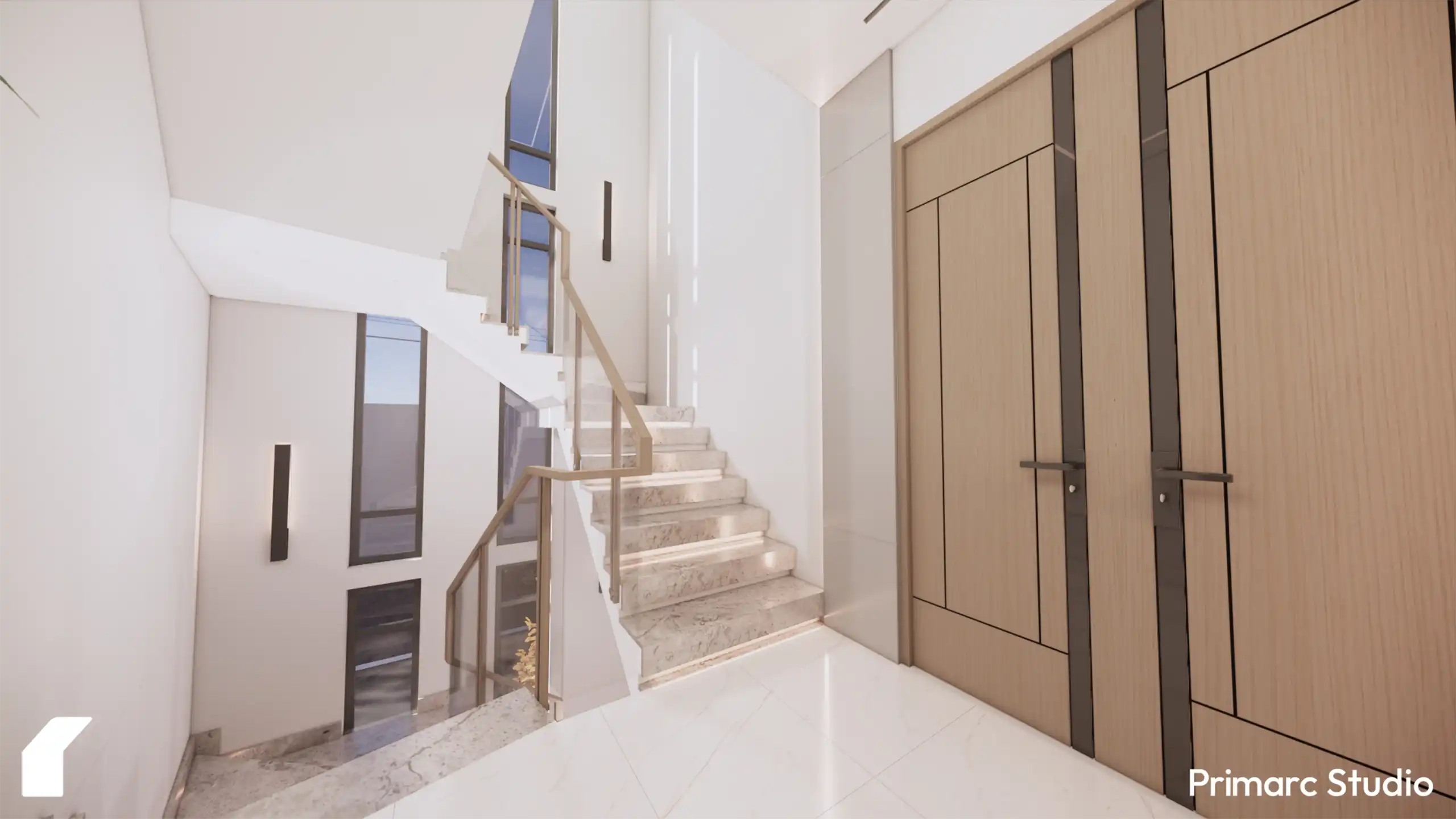
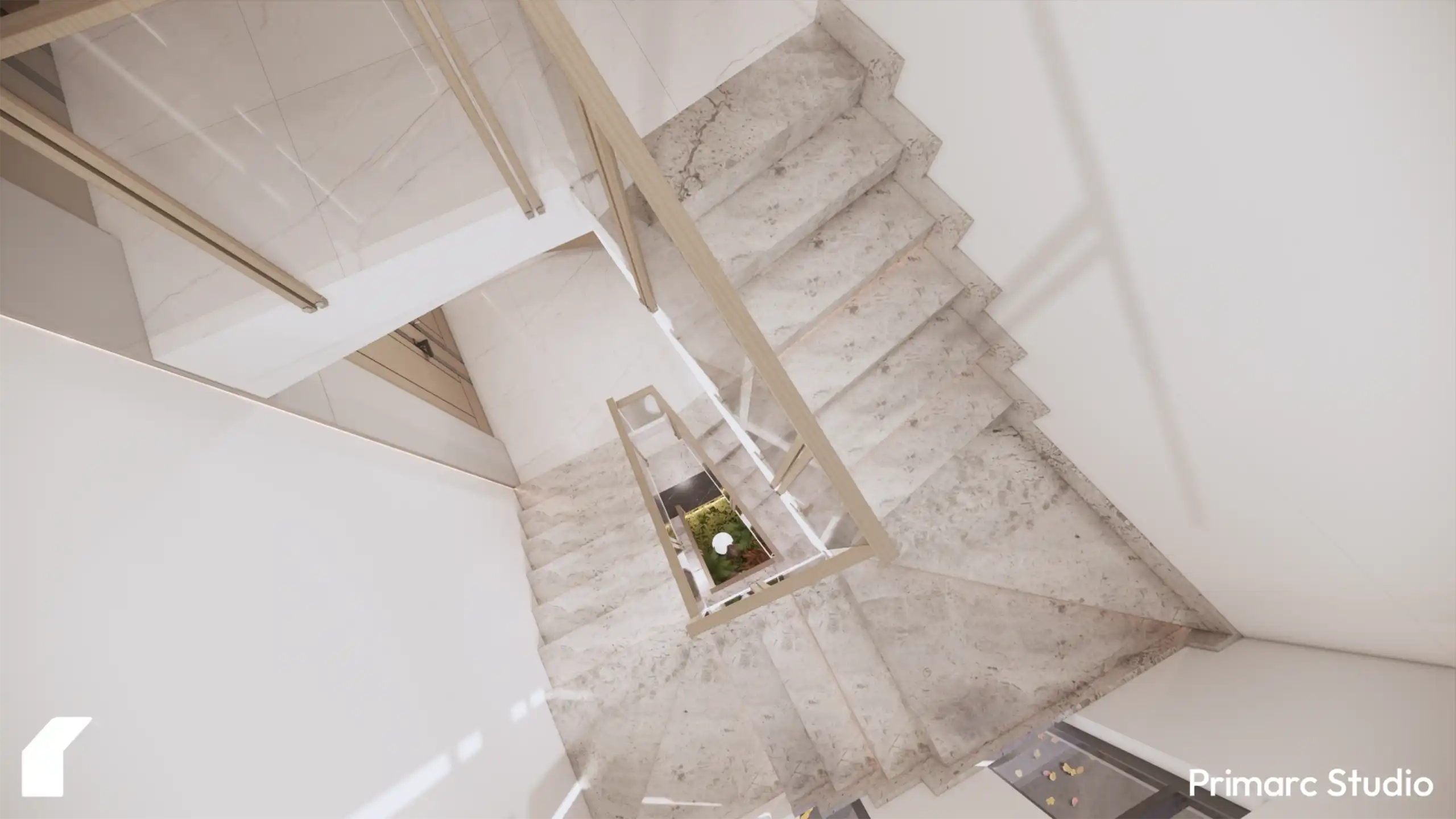
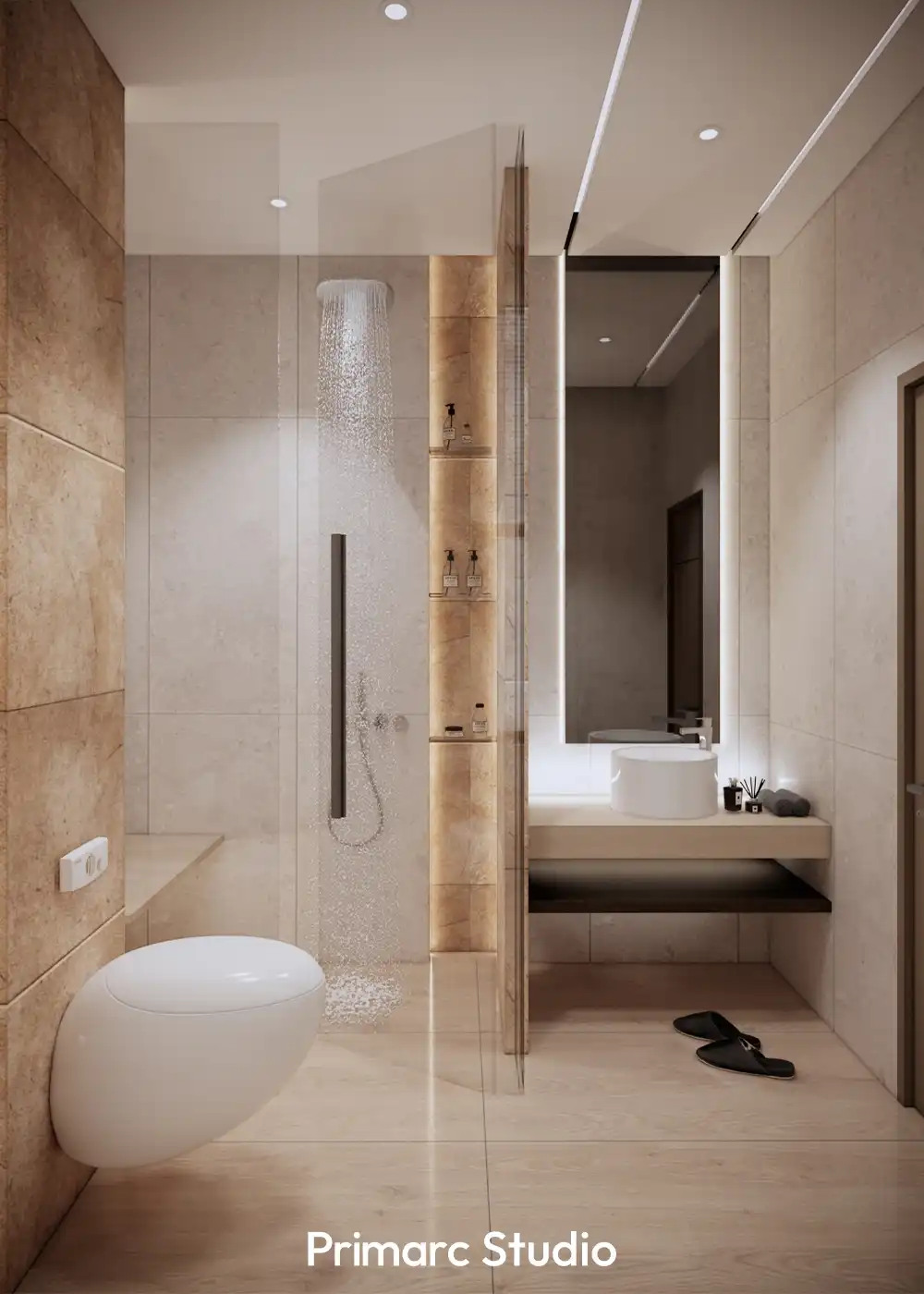
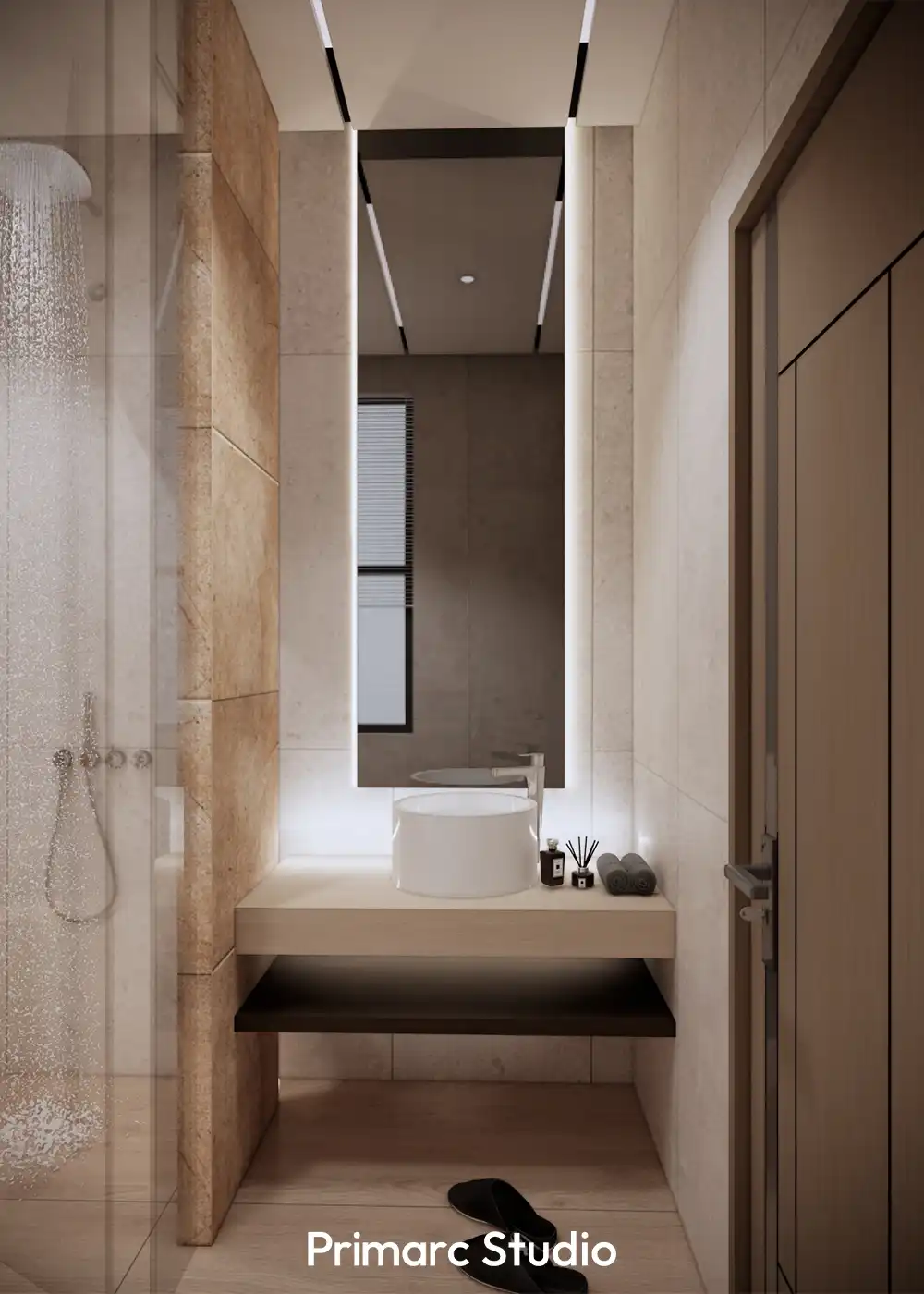
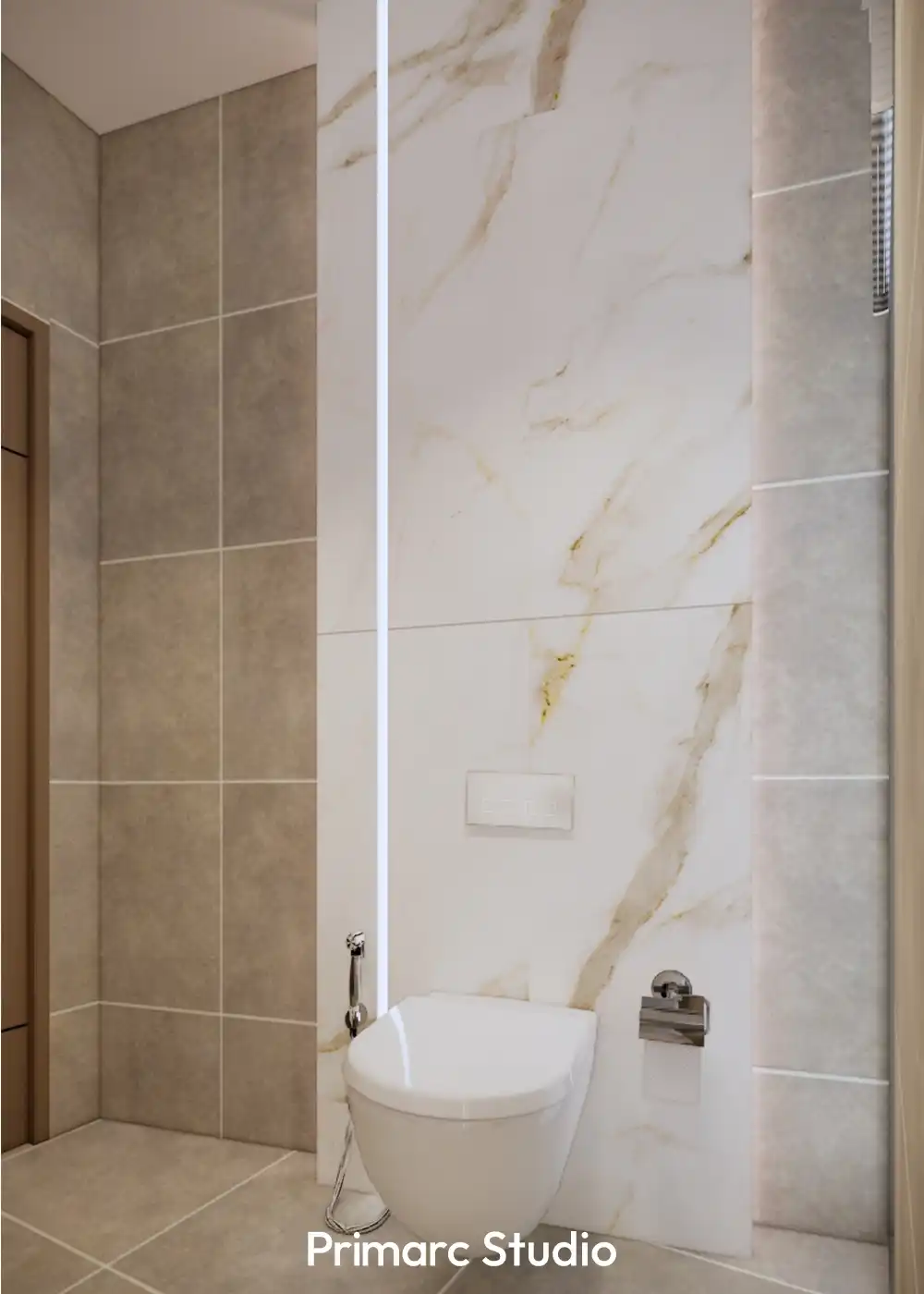
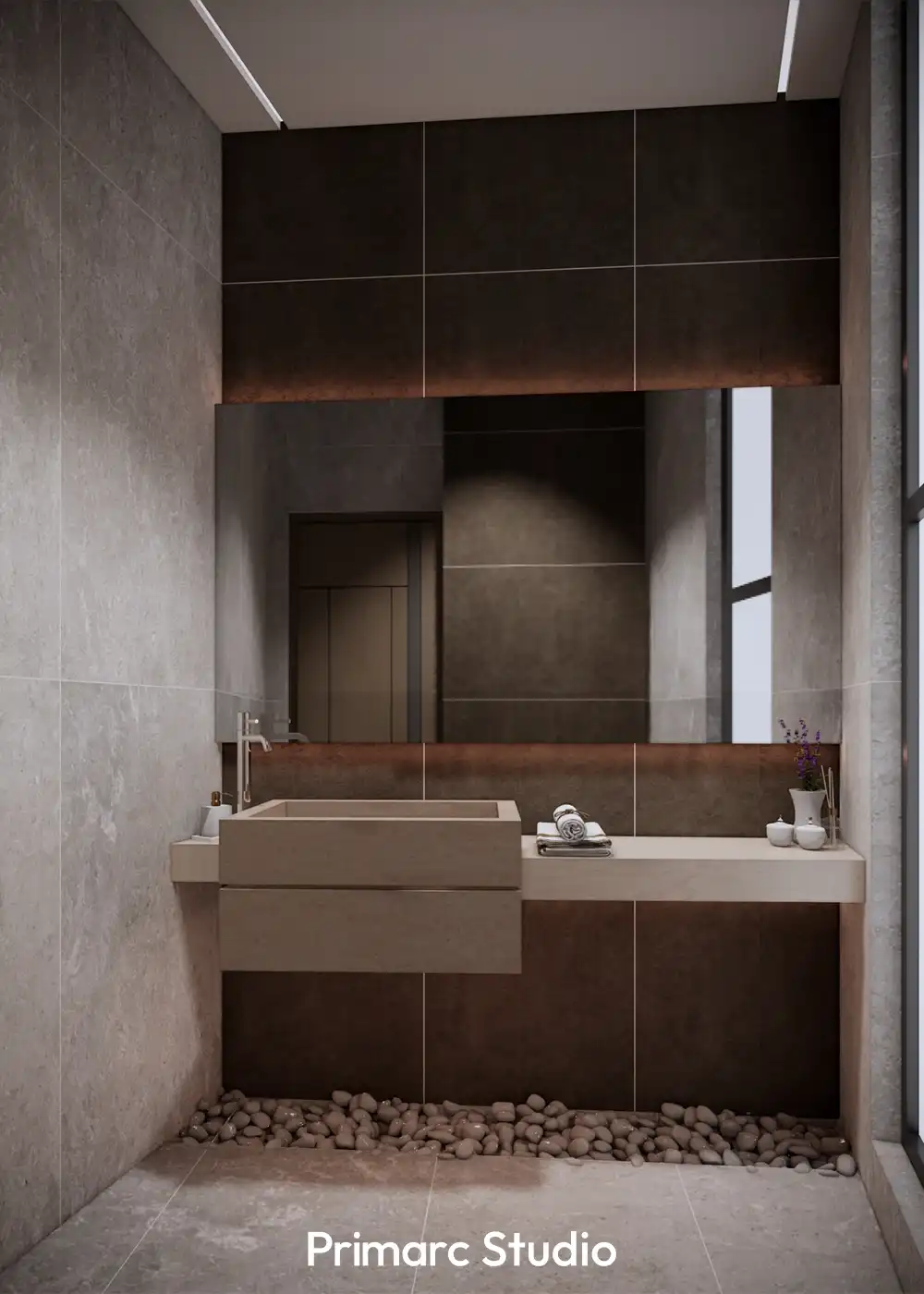
Shaukat House is a testament to the fact that you don’t always need to start from scratch to achieve excellence. By focusing on lighting as a design tool using recessed strips to highlight the stone and cove lighting to soften the interiors we transformed a generic gray structure into a distinct, modern landmark.
The “problems” of the original construction became our creative boundaries, resulting in a home that is both private and open, rugged yet refined.